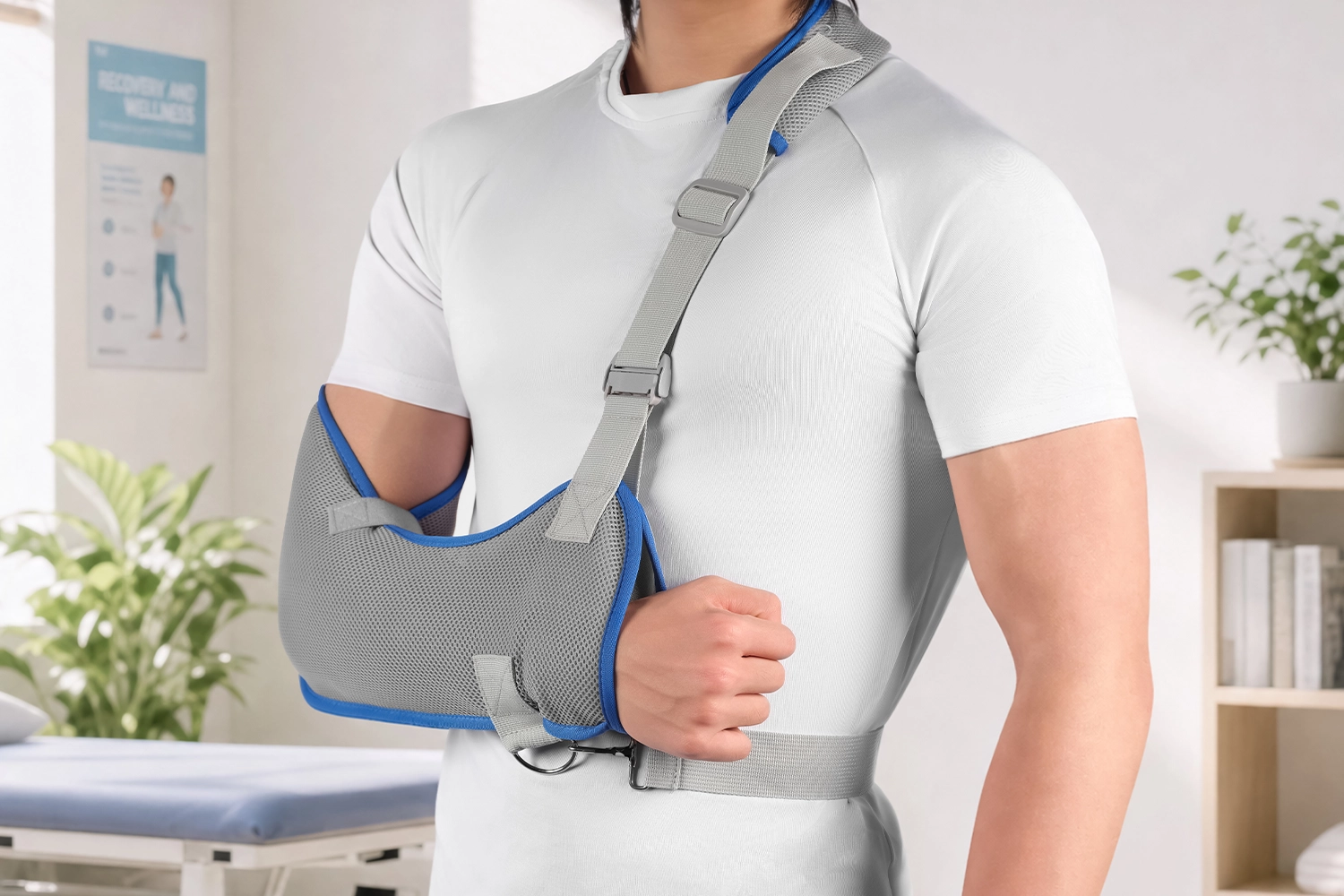
Leading Hip Abduction Brace Manufacturer in China
For about two decades, AOFIT has been a recognized leader in manufacturing and exporting Hip Abduction Braces. Our commitment to adapting to diverse market requirements has enabled us to develop strong, reliable collaborations with hospitals, distributors, NGOs, and pharmacies.
- Rapid prototyping: We deliver functional samples within 15–20 working days.
- Low MOQ of 500 units & Flexible Terms: Combine different models and sizes in one order to optimize freight costs and inventory diversification.
- Industry-Standard Lead Times: Bulk production (1,000+ units) within 45 working days from deposit confirmation, including material procurement, manufacturing, inspection, and packaging.
- Customer return rate: <0.5% for manufacturing defects.
Clinical Matrix
Our Comprehensive Product Portfolio
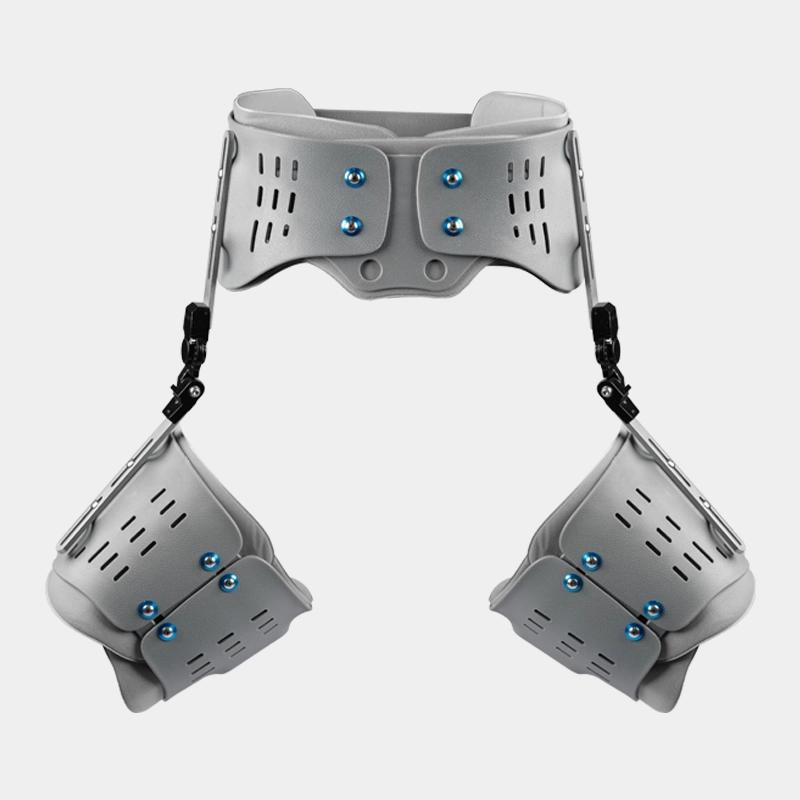
Bilateral hip abduction brace
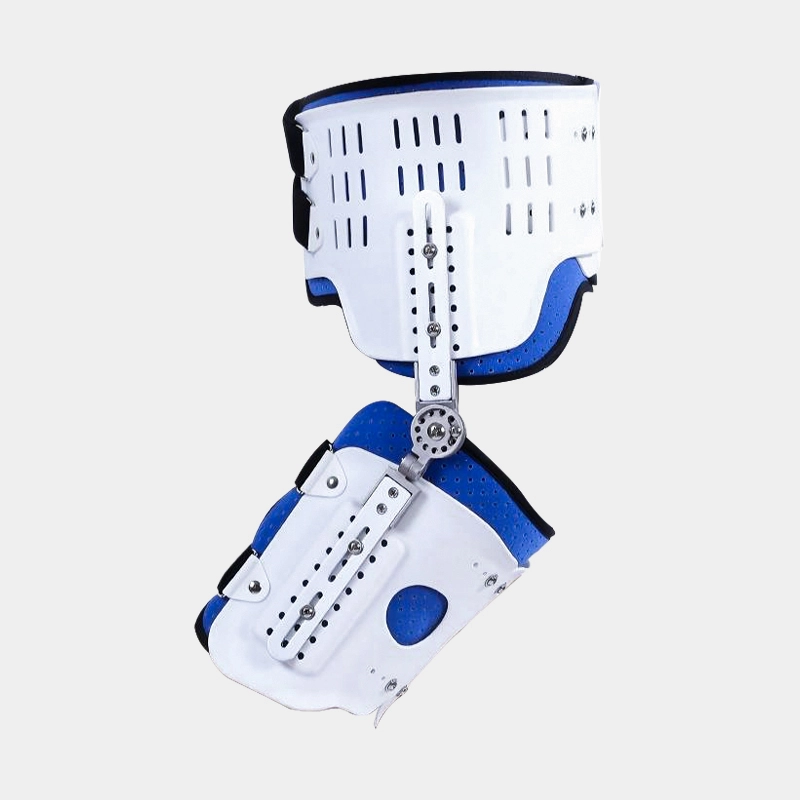
Hinged ROM hip abduction brace
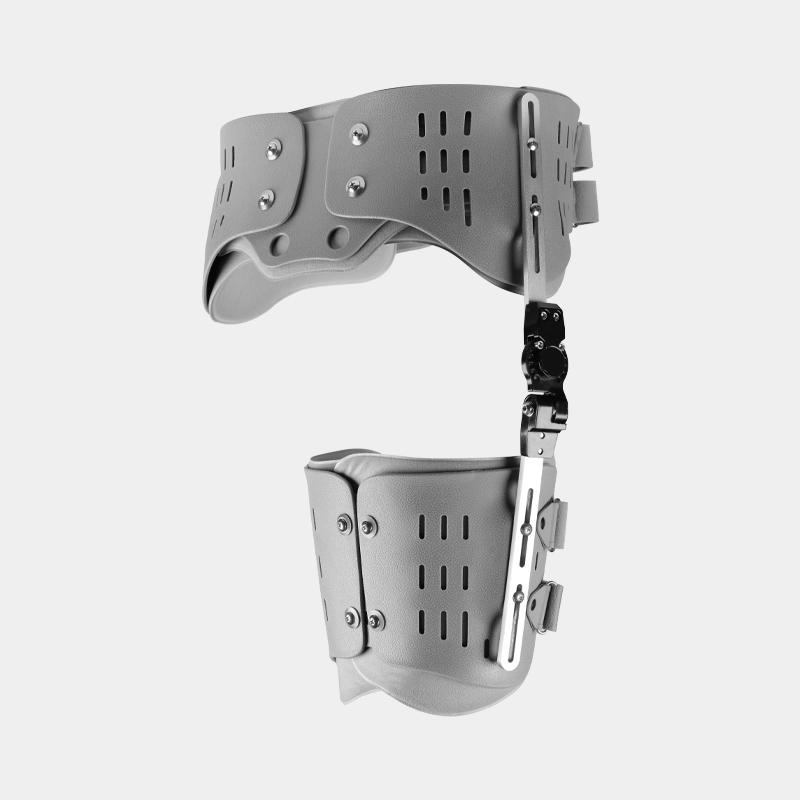
Hip abduction brace for adults
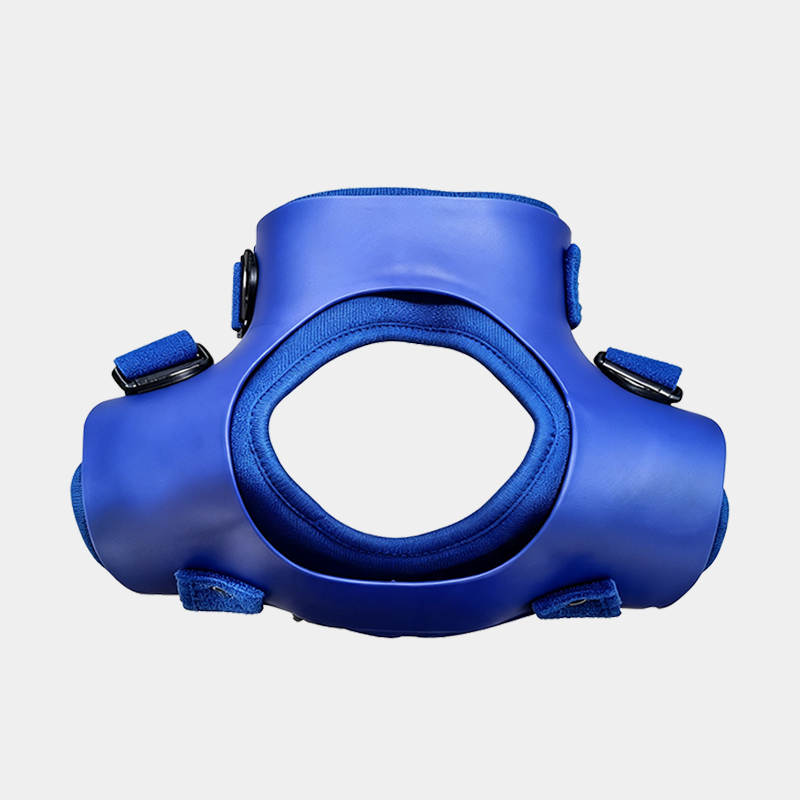
Pediatric semi-rigid abduction brace
A sturdy, typically plastic pediatric orthosis that holds the hips in a set position while allowing for some limited movement and easier care. Custom options: Options include standard fixed-angle models (e.g., 90° flexion, 60° abduction) or adjustable models where the abduction can be changed via a screw assembly to accommodate growth or treatment phases.
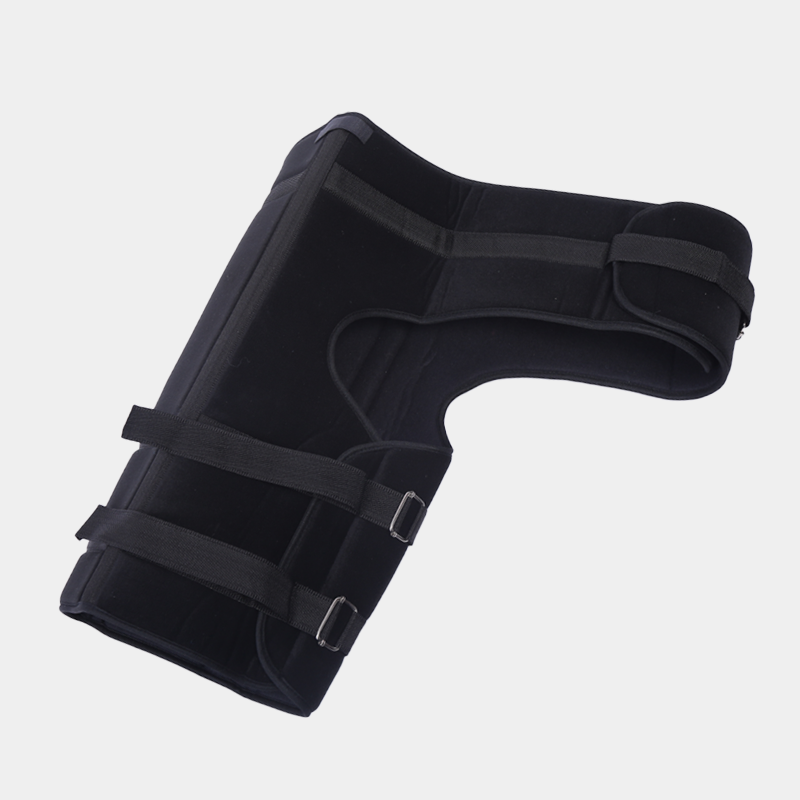
Soft hip compression wrap
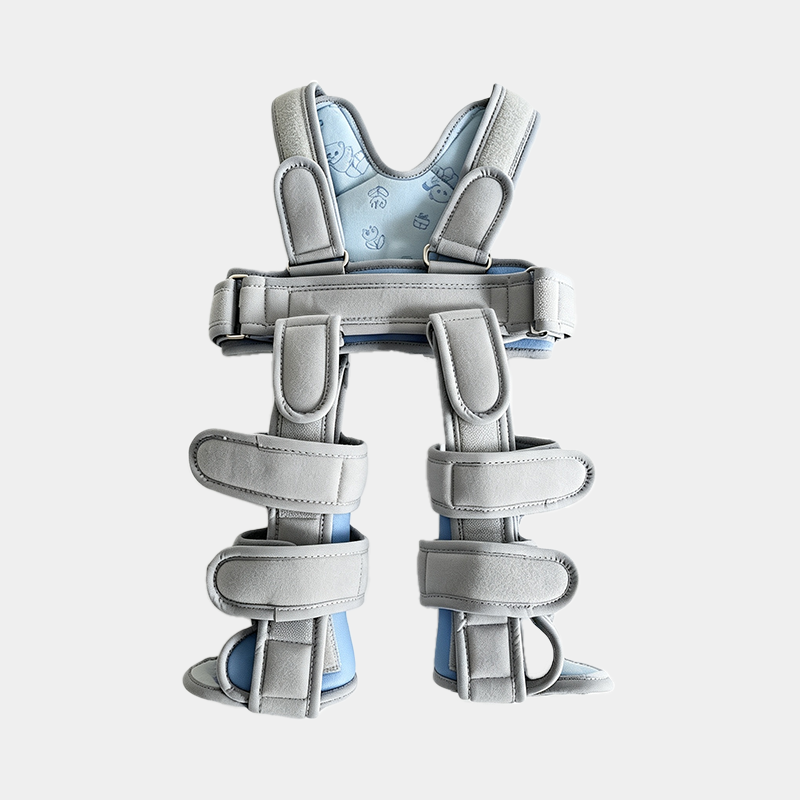
Infant hip abduction brace
Advanced manufacturing tech, Low-profile design and Carefully chosen materials
Create More Precisely Fitting, Lighter, and Faster-to-Produce Hip Abduction Braces
The Rigid Frame & Joints: The Structural Backbone
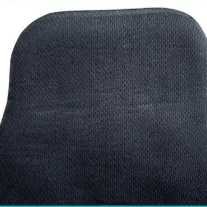
The Soft Components: The Patient Interface
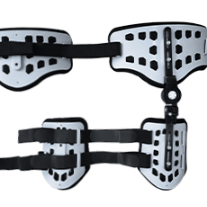
Design features: For patients to grow or treatment progresses
Injection Molding & CAD Modeling
Thermoforming & 3D Printing
Automated stitching
Assembly & Finishing
Specialized Care
Market Intelligence for Our Partners
| Care Setting | Primary Indications | Preferred Product |
| Acute care hospitals | Post-surgical stabilization, trauma | ROM Hip Orthoses |
| Inpatient rehab units | Progressive mobility training | ROM with adjustable flexion limits |
| Outpatient clinics | DDH in pediatrics, chronic instability | Standard abduction brace, Pediatric model |
| Home healthcare | Long-term wear, geriatric care | Lightweight standard brace with easy straps |
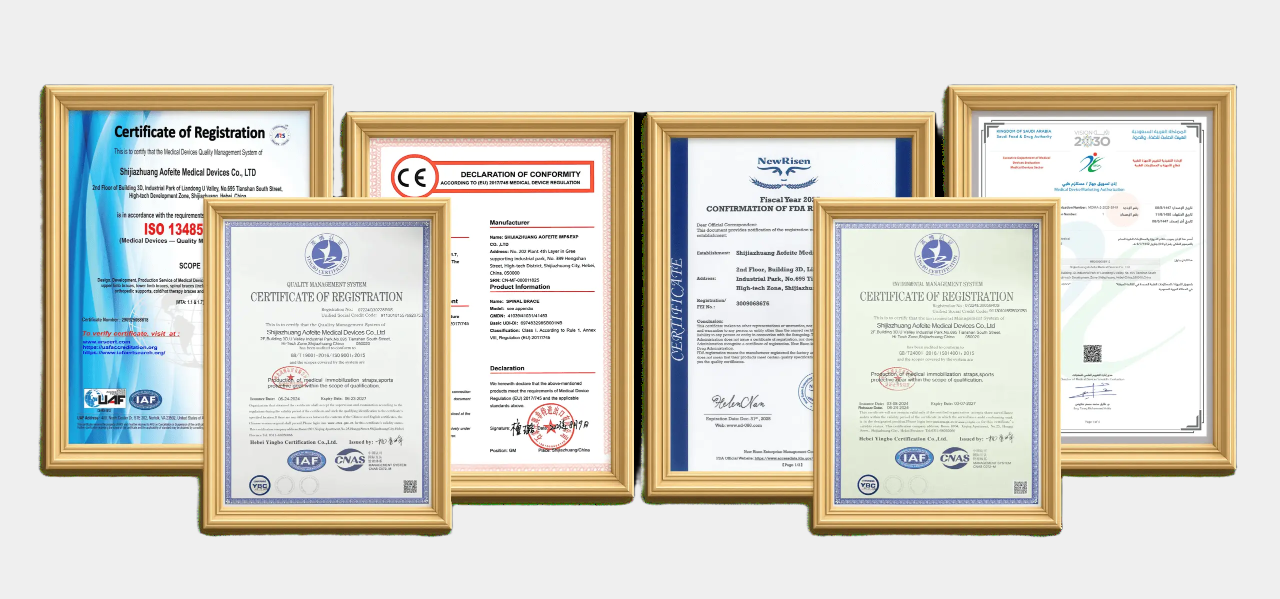
Compliance as a Culture and Global Market Access
OEM & ODM Capabilities of Your Reliable Hip Abduction Brace Manufacturer
Custom Design (ODM)
Our in-house R&D team works with you from concept to prototype. We can modify:
- Materials: Upgrade to carbon-fiber composites for ultra-lightweight models, or use antimicrobial-coated fabrics for infection-control settings.
- Colors & aesthetics: Match your brand identity with custom shell colors, strap colors, and logo placement.
- Sizing matrices: Develop region-specific sizing (e.g., Asian-fit vs. Western-fit) based on anthropometric data from your target market.
Private Label (OEM)
- We produce fully finished braces under your brand name—from laser-engraved logos on metal components to custom-printed packaging and instruction manuals.
- Your packaging design can be fully customized: we support blister packs, carton boxes, carry bags, and bulk hospital-grade packaging with your labeling.
- We handle barcode registration and UDI (Unique Device Identification) assignment if needed for US FDA compliance.
One-Stop Orthopedic Solutions
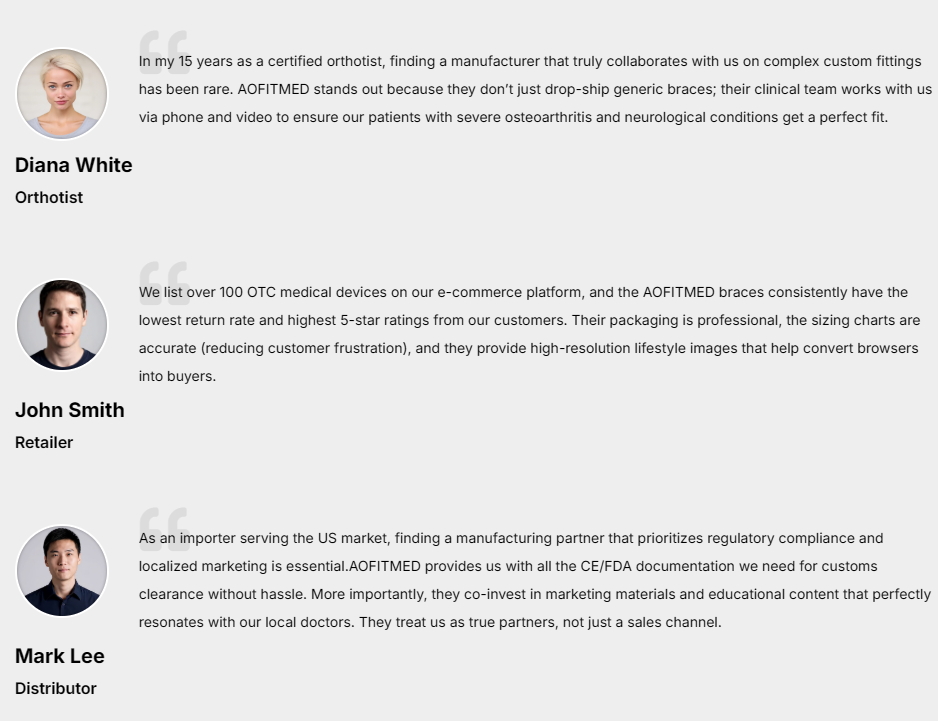
Trust Building
Three-Stage Quality Control (QC)
Stage 1 – Raw material verification
Every incoming batch of PE sheets, foam, fabric, and metal hardware is tested for:
- Dimensional tolerance (thickness, width, density)
- Tensile strength and flexural modulus (for structural shells)
- Skin-sensitization and cytotoxicity (for patient-contact materials) per ISO 10993 standards.
Non-conforming materials are quarantined and returned—zero exceptions.
Stage 2 – In-process monitoring
- At each assembly station, operators perform visual and dimensional checks every 30 minutes using calibrated go/no-go gauges.
- Hinge torque and motion smoothness are tested on a per-batch basis using custom test fixtures that simulate 10,000 motion cycles—ensuring long-term durability.
Stage 3 – Final product inspection
- 100% of finished braces undergo a final functional test: abduction angle accuracy, strap tension retention, and buckle locking strength.
- A statistical sampling (AQL 1.5) is pulled for complete checking—including packaging integrity, label accuracy, and instruction manual inclusion.