Your pediatrician said the words “hip dysplasia,” handed you a referral, and mentioned a brace. Now you’re sitting with your phone at 2 AM trying to figure out if your baby’s case is serious enough for one. Not every baby diagnosed with developmental dysplasia of the hip (DDH) needs a Pavlik brace. Mild cases caught through hip dysplasia newborn screening often need watching, while unstable or dislocated hips need bracing quickly to avoid bigger problems later. What matters is where your baby’s specific diagnosis falls on that spectrum, and what happens if you wait. We’ll walk through how doctors make that call, so you can ask the right questions at your next appointment instead of nodding along.
Do All Babies With Hip Dysplasia Need a Brace? The Direct Answer
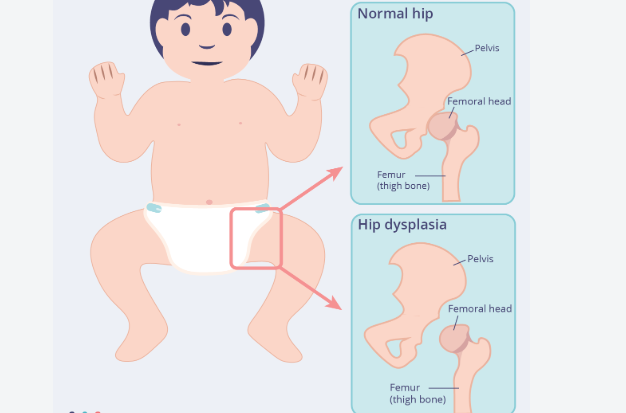
No. Guidelines from the American Academy of Orthopaedic Surgeons (AAOS) state that a stable hip with mild ultrasound abnormalities can often be monitored without a brace. The distinction between a stable and unstable hip directs most care decisions.
What Actually Determines the Treatment
Doctors use the Graf classification system to grade hip ultrasound findings:
- Graf Type I: Normal hip, no brace needed
- Graf Type IIa: Immature hip, typical in babies under 3 months; many mature on their own with repeat ultrasounds tracking progress
- Graf Type IIc or worse: Bracing often starts here, especially if the alpha angle drops to 49° or below
- Graf Type III: Subluxated hip, which usually requires a Pavlik harness
- Graf Type IV: Dislocated hip, which often requires treatment beyond bracing alone
The physical exam carries significant weight as well. A positive Barlow or Ortolani test (showing the hip moves in and out of the socket) usually outweighs a borderline ultrasound reading. Similarly, a stable Graf IIa hip with at least 35% femoral-head coverage in an infant under 12 weeks is typically managed with observation and follow-up imaging.
When Observation Is Enough: Mild Hip Dysplasia Without a Brace
A positive Barlow test doesn’t mean a brace is coming home with you. When the hip is stable, or when instability resolves within the first two weeks of life, roughly 90% of cases correct on their own without a device. The newborn hip is still a work in progress. Shallow sockets, slightly reduced femoral-head coverage (alpha angles around 50°–60°, coverage near 50%–60%), and mild laxity often resolve as cartilage firms up and the acetabulum deepens.
Observation still requires active monitoring.
What “Watching” Actually Looks Like
A hip dysplasia newborn screening timeline follows this schedule:
| Age | What Happens |
| Birth–2 weeks | Pediatric exam; recheck if mild instability noted |
| 4–6 weeks | Hip ultrasound baby scan (adjusted age for preemies) |
| 6–8 weeks | Exam + ultrasound review; continue watching if stable |
| 3–4 months | Repeat ultrasound if coverage sat around 40%–50% |
| 4–6 months | Pelvic X-ray once bone ossification improves accuracy |
| 6–9 months | Continued hip checks through routine well-baby visits |
Between visits, watch for warning signs at home:
- Asymmetric thigh or buttock skin folds
- One hip that resists spreading during diaper changes
- Uneven leg length
- Limping or pain once your baby starts moving more
If any of these persist, especially past six weeks, schedule an earlier pediatric orthopedic evaluation rather than waiting for the next scan.
Signs Your Baby’s Hip Dysplasia Requires Immediate Bracing
A click during a diaper change rarely signals an emergency. If one leg moves differently than the other, call your pediatrician right away instead of waiting to see what happens.
Warning Signs Parents Can Spot at Home
You don’t need medical training to spot several signs that suggest a baby needs bracing quickly:
- One leg looks shorter than the other
- One leg moves less during play or diaper changes
- Thigh or buttock creases that do not line up evenly
- A leg that turns outward
- Resistance when gently spreading one hip compared to the other
Once babies start crawling or walking, other signs can surface, such as dragging one leg, limping, walking on toes on one side, or waddling. A click or pop on its own does not confirm a dislocation, but paired with asymmetry or stiffness, it warrants an immediate exam.
What Clinicians Look For
A positive Barlow or Ortolani maneuver, or imaging showing the femoral head sitting outside the socket, confirms the hip is dislocated, dislocatable, or unstable. When an exam shows this instability, AAOS guidance calls for serial checks alongside an age-appropriate ultrasound or X-ray.
Why Timing Matters So Much
Bracing works best when started before 6 months. After that window, Pavlik harnesses success drops, and doctors often move straight to a rigid abduction brace or discuss reduction. Do not wait for walking-age symptoms to address asymmetry or restricted hip movement. Schedule a pediatric orthopedic evaluation early rather than waiting.
Pavlik Harness: How It Works
The Pavlik harness holds your baby’s hips in a flexed, bent-knee position with the legs spread outward, keeping the femoral head pressed firmly against the hip socket. That steady positioning gives the socket space to deepen around the ball joint as your baby grows. Never force the legs straight or pull them too far apart while the harness is on. Even when only one hip is affected, doctors strap both sides in together.
Who Actually Needs One
The harness is designed for newborns up to about 6 months old with reducible or subluxated DDH, meaning the hip can still be guided back into place. Past 6 months, success rates drop and doctors usually move straight to other treatments. If an ultrasound shows a dislocated or unstable hip and a pediatric orthopedist confirms treatment is necessary, this brace is standard.
The Typical Wearing Schedule
- Weeks 1–12: Full-time wear, 24 hours a day
- After stability and improved acetabular development: Reduced to nighttime or part-time wear for another 4–6 weeks
- Some clinics phase out wear slowly, starting with 1 hour off each day and adding time weekly until reaching roughly 12 hours off per day
Bath time and diaper changes depend on your orthopedist’s instructions. Some allow brief removal, but the legs need to stay spread apart either way.
Success Rates and the Critical Window
Success rates sit around 80–85%, though age, dislocation severity, and whether one or both hips are affected will shift that number. Most hips show progress within 4 weeks. If a hip remains dislocated after 4–6 weeks of continuous wear, keeping the harness on can damage the joint, so doctors switch approaches.
What Monitoring Looks Like
Expect follow-up visits every 1–2 weeks at first to check fit, adjust straps, and screen for complications like skin irritation or femoral nerve issues. Ultrasounds every two weeks track hip development until imaging returns to normal. Even after treatment succeeds, X-rays around 9–12 months confirm final bone alignment, at which point odds of normal development reach about 99%.
Other types of braces
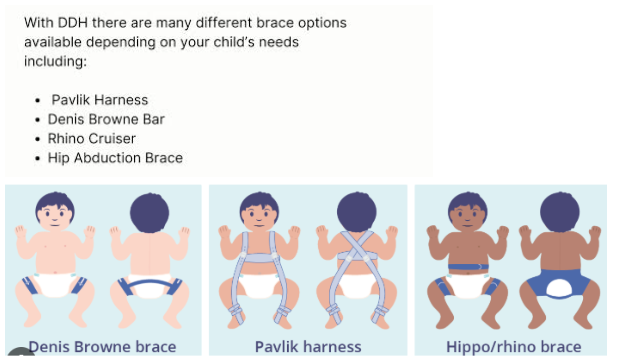
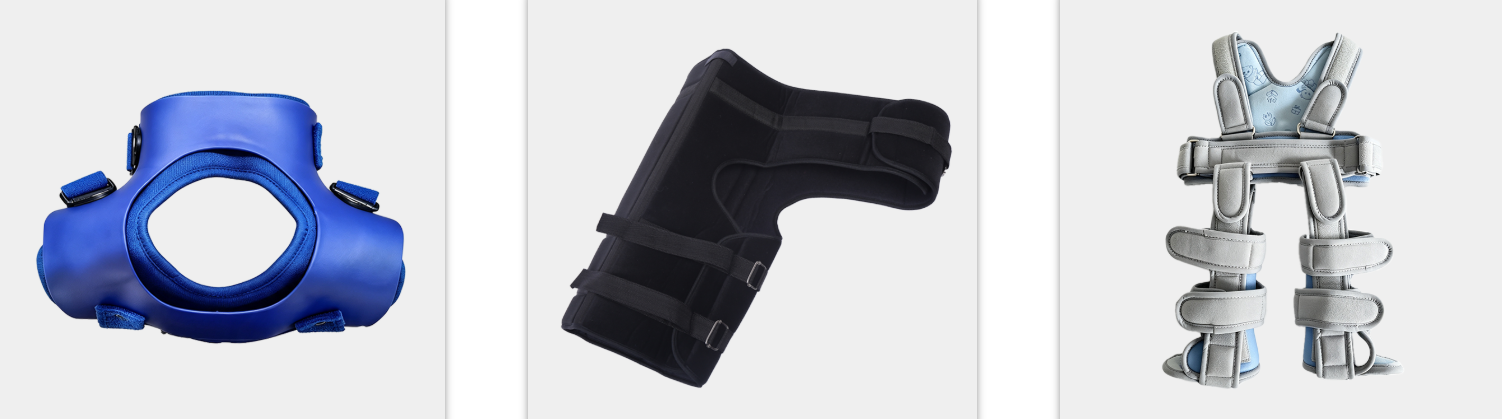
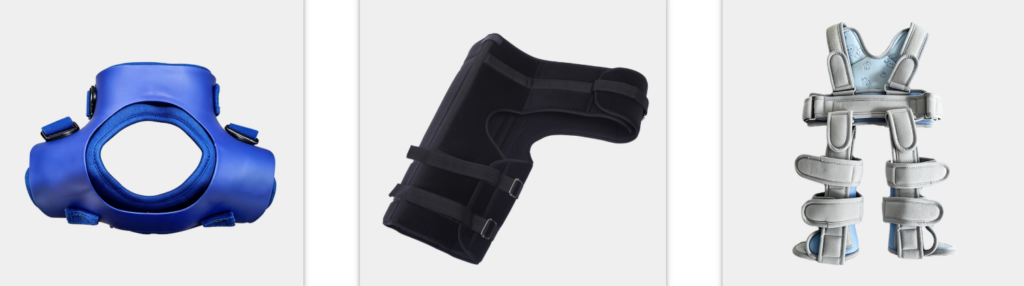
Denis Browne Bar: A soft bar-and-bootie system sometimes used to gently maintain the legs in an abducted (spread) and stable position.
Rhino Cruiser (Rhino Brace): A rigid or semi-rigid foam and plastic brace. It is often prescribed for older infants (6 months and older) or for babies where the Pavlik harness did not work. It holds the legs in a fixed, open position with less mobility than a dynamic harness.
Practical Decision Path: From Diagnosis to Treatment Choice
A diagnosis is a starting point that branches based on what the exam and imaging show. Here is the path doctors follow, translated into plain English.
Step 1: Physical exam. The doctor checks for Ortolani and Barlow signs, limited hip abduction, uneven leg length, and asymmetric thigh folds. Breech birth and family history get noted too.
Step 2: Imaging by age. Under 6 months, a hip ultrasound baby scan checks if the femoral head sits centered. At 4 months and older, a pelvic X-ray works as well and tracks the acetabular index.
Step 3: Stability check decides everything.
| Finding | What Happens Next |
| Stable hip, mild ultrasound immaturity | Observe, repeat exams and imaging |
| Unstable, dislocatable, or dislocated | Refer to pediatric orthopedic hip dysplasia specialist for bracing |
Step 4: Reassess after treatment. If the hip will not center, the brace fails, or blood supply to the femoral head looks at risk, treatment escalates.
Four Questions Worth Writing Down
Before leaving any appointment, get these answered in writing:
- Is the hip centered right now?
- Is there dynamic instability during the exam?
- What’s the alpha angle, coverage percentage, or Graf type?
- When’s the next recheck, scan, or referral?
A diagnosis means tracking stability, age, and imaging trends over time.
Common Parent Concerns About Hip Brace Treatment (FAQ)
An abnormal ultrasound reading is alarming, but babies rarely go home in a brace that same day. Here are the questions parents ask most once a Pavlik brace enters the conversation.
“My baby’s ultrasound was abnormal. Does that mean a brace is coming home with us?”
Not automatically. Your doctor weighs the ultrasound results alongside your baby’s age, whether the hip is dislocated or immature, and how the joint looks on follow-up imaging. Ask your orthopedist these four questions before leaving the appointment:
- Does the ultrasound show dislocation or subluxation, or an immature hip socket?
- When’s the next recheck?
- How many hours a day, and for how long total?
- Who adjusts the brace, me or the orthotist?
“Can I take it off for bath time?”
Only if your doctor says so. A 24-hour prescription means sponge baths instead of tub time. If your doctor approves removal, keep the hips bent and legs spread apart the entire time, and dry every skin fold completely before refastening.
“What about diaper changes?”
That depends on the prescription. Some setups allow removal, while 24-hour plans often do not. Either way, lift from the hips rather than pulling the legs together.
“Can I stretch the off-time a little when she’s crying?”
No. Log actual wear time instead of estimating, and let your treatment team adjust the schedule.
“Should I get a second opinion?”
Yes, especially with borderline ultrasounds or conflicting advice. Bring your imaging and exam records, but keep wearing the current brace while you wait.
“When should I call immediately?”
Call right away for broken skin, swelling that stays 30 minutes after removal, reduced leg movement, or a brace that has slipped out of position.
Conclusion
Not every baby diagnosed with hip dysplasia needs a brace. Mild cases often resolve on their own with watchful waiting and follow-up ultrasounds. Moderate to severe developmental dysplasia of the hip, however, requires treatment, whether that is a Pavlik harness or, in delayed cases, surgery. Waiting too long carries real consequences, as untreated instability can mean a harder road later, including more invasive procedures.
Don’t rely on Dr. Google for the final word. Take your baby’s specific ultrasound results and severity grading straight to a pediatric orthopedic specialist, and ask: “Where does my child fall on the spectrum, and why this treatment plan?” A good doctor will welcome that question, and you’ll walk away with clarity. Contact AOFIT now for medical brace solutions now.