Introduction
Physical therapy plays a critical role in helping individuals recover from injuries, manage chronic conditions, and regain functional movement. Whether a patient is recovering from orthopedic surgery, dealing with a sports injury, or managing a long-term musculoskeletal disorder, rehabilitation often requires more than exercise alone.
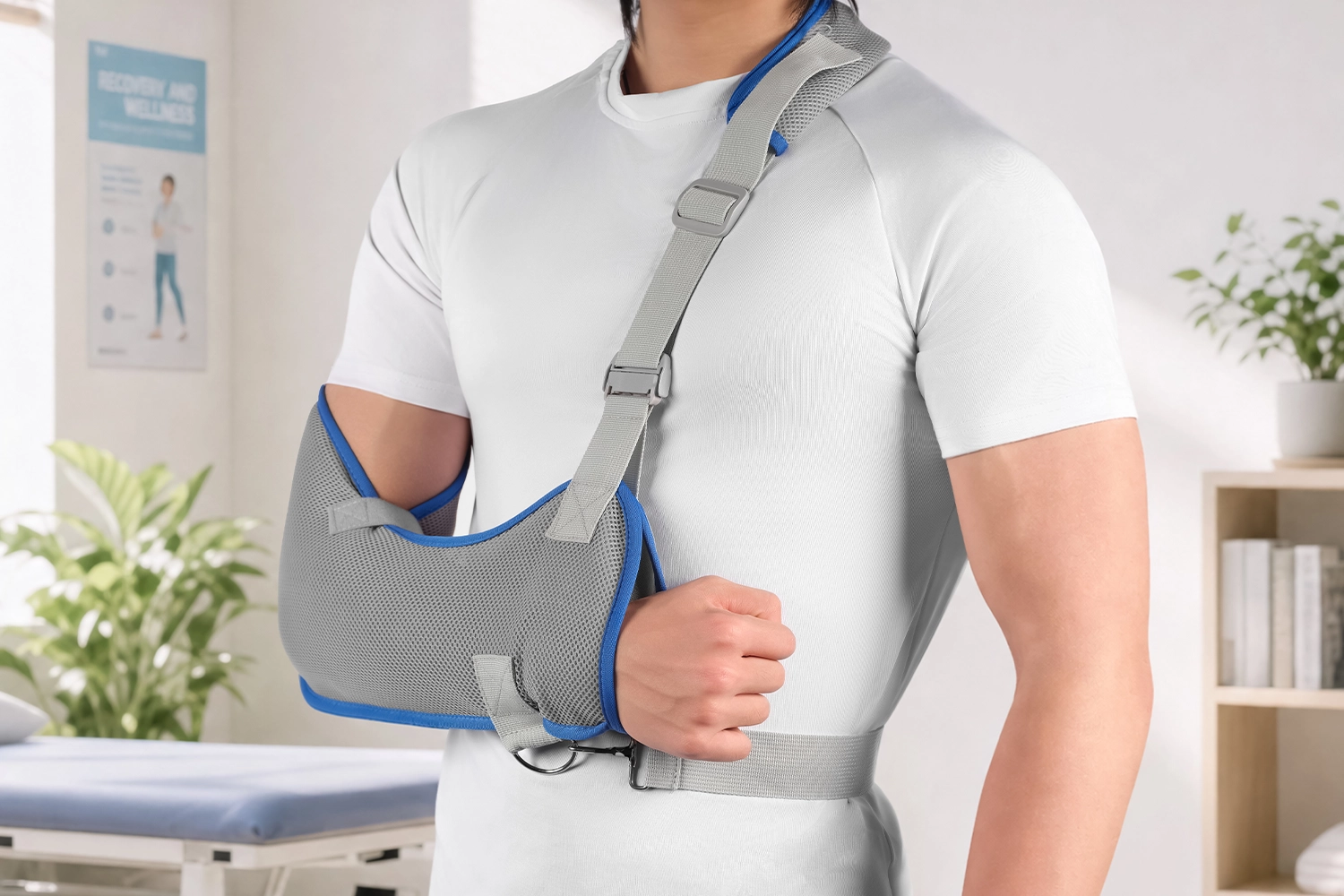
In many cases, healthcare professionals incorporate orthotic devices into treatment plans to provide additional support during recovery. These devices help stabilize joints, control movement, improve alignment, and protect vulnerable tissues while patients work toward restoring strength and mobility.
Orthotic devices are commonly used across a wide range of rehabilitation settings, from sports medicine clinics and orthopedic practices to post-surgical recovery programs and chronic pain management. While they are not a substitute for physical therapy, they often serve as valuable tools that complement therapeutic interventions and improve patient outcomes.
Understanding the role of orthotic devices in physical therapy can help patients appreciate how external support contributes to safer movement, improved function, and more effective rehabilitation.
What Are Orthotic Devices?
Orthotic devices are externally applied supports designed to assist, align, prevent, or correct musculoskeletal abnormalities and improve functional performance.
Depending on the condition being treated, orthotic devices may be used to:
- Stabilize joints
- Limit excessive movement
- Improve biomechanical alignment
- Protect healing tissues
- Reduce pain and discomfort
- Support functional activities
- Improve mobility and independence
The term “orthotic device” covers a broad range of products, including braces, splints, supports, and specialized orthoses.
Examples include:
- Wrist splints
- Knee braces
- Ankle supports
- Cervical collars
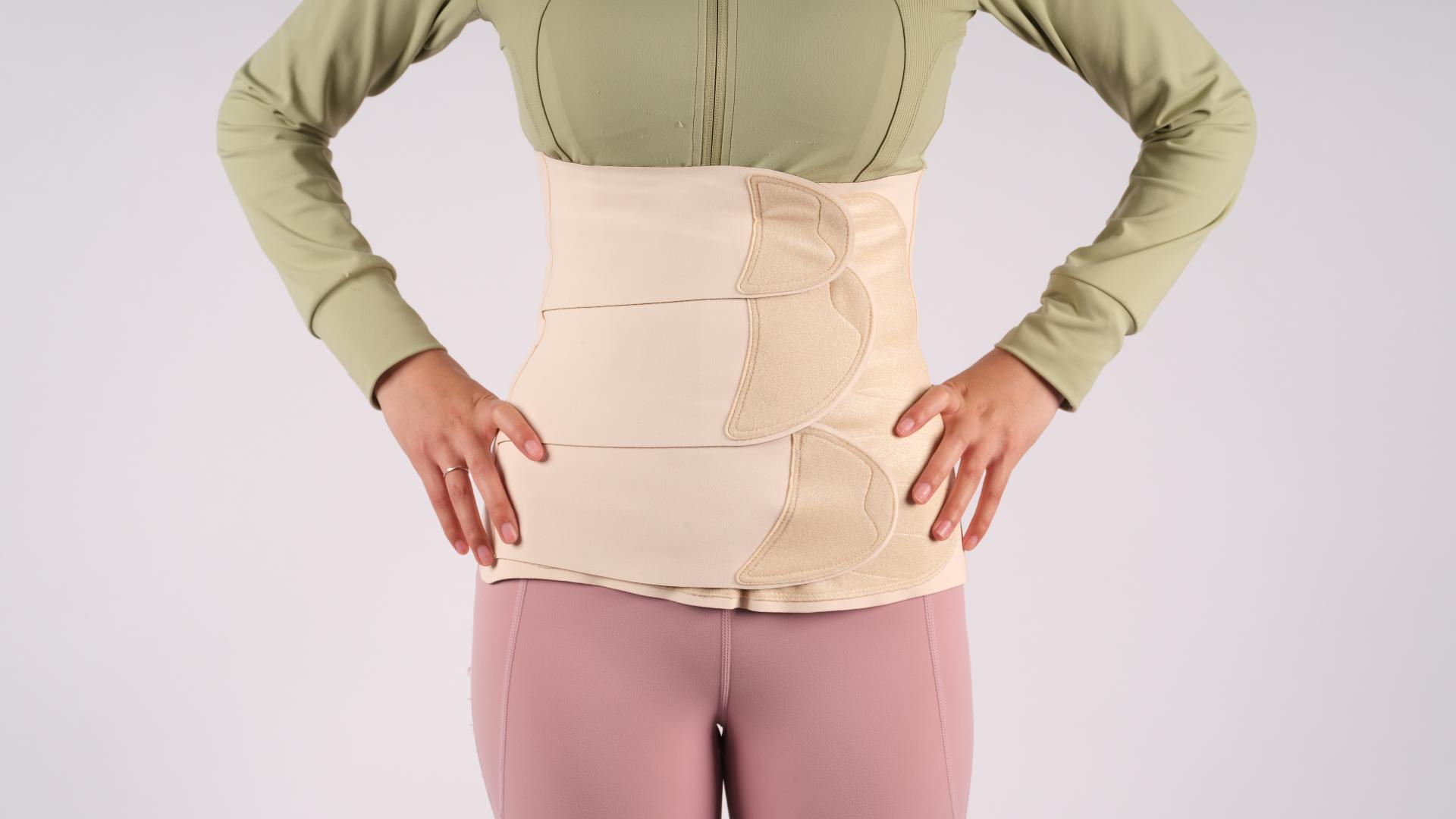
- Back braces
- Elbow supports
- Thumb spica splints
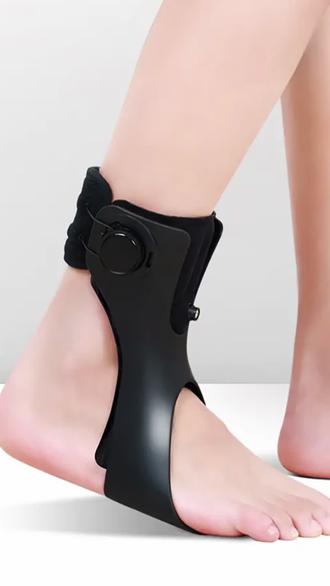
- Ankle-foot orthoses (AFOs)
Each device serves a specific purpose depending on the patient’s diagnosis, functional limitations, and rehabilitation goals.
Why Physical Therapy Often Requires External Support
Physical therapy focuses on restoring movement and function, but healing tissues frequently need protection during the recovery process.
Without appropriate support, everyday activities may place excessive stress on injured structures, potentially delaying recovery or increasing discomfort.
External support devices help address these challenges in several important ways.
Stabilization During Healing
Many injuries involve damaged ligaments, tendons, muscles, or joints that require a period of controlled movement.
Orthotic devices help provide stability while allowing patients to continue participating in rehabilitation activities safely.
Protection Following Surgery
Post-operative rehabilitation often requires temporary immobilization or controlled movement.
Braces and orthoses can help protect surgical repairs while gradually allowing increased activity as healing progresses.
Support for Chronic Conditions
Conditions such as arthritis, spinal disorders, and joint instability may require ongoing support to improve comfort and maintain function.
Orthotic devices help reduce mechanical stress while allowing patients to remain active.
Assistance During Functional Training
Physical therapy aims to restore the ability to perform daily activities.
External support can help patients practice movements with greater confidence and reduced risk of aggravating symptoms.
Rehabilitation Goals and the Role of Orthotic Support
Successful rehabilitation involves several key objectives, and orthotic devices often contribute to achieving each of them.
Pain Management
Pain can limit participation in therapy and discourage movement.
By stabilizing affected structures and reducing excessive motion, orthotic devices may help decrease discomfort and improve tolerance for therapeutic exercises.
Joint Protection
Injured or weakened joints are more vulnerable to excessive stress.
Orthotic support helps protect these structures during recovery and functional activities.
Mobility Restoration
Rehabilitation is not simply about healing tissues—it is about restoring movement.
Appropriately selected orthotic devices can help patients move more safely while rebuilding strength and coordination.
Functional Independence
The ability to perform daily activities independently is a major rehabilitation goal.
External support may help patients regain confidence while carrying out routine tasks.
How Orthotic Devices Support Rehabilitation
Orthotic devices contribute to physical therapy through several important mechanisms.
Improving Joint Alignment
Proper alignment is essential for efficient movement.
When joints are poorly aligned, abnormal stress may be placed on surrounding tissues, increasing pain and reducing function.
Orthotic devices help guide joints into more favorable positions, promoting improved biomechanics.
Controlling Excessive Motion
Some injuries and conditions worsen when joints move beyond a safe range.
Braces and splints help control potentially harmful movements while still allowing appropriate functional activity.
Load Redistribution
Orthotic devices can help redistribute forces across joints and soft tissues.
This may reduce stress on injured structures and improve comfort during movement.
Enhancing Proprioceptive Feedback
Proprioception refers to the body’s awareness of joint position and movement.
Many patients report feeling more stable and confident when wearing orthotic devices because the support enhances sensory feedback and body awareness.
Supporting Postural Control
Spinal orthoses and posture-support devices may help encourage better alignment during standing, walking, and other activities.
Improved posture can contribute to reduced strain and more efficient movement patterns.
Facilitating Functional Activity
Rather than eliminating movement entirely, many orthotic devices are designed to support movement in a controlled manner.
This allows patients to continue participating in daily activities while minimizing risk.
Common Types of Orthotic Devices Used in Physical Therapy
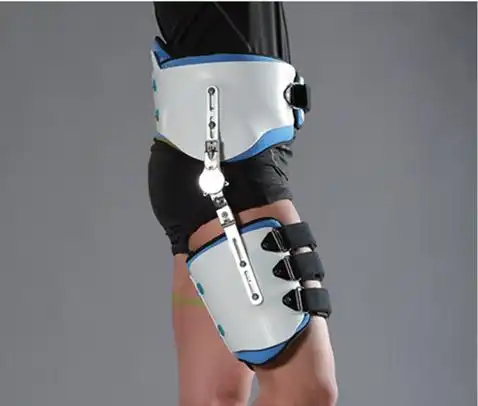
Physical therapists frequently recommend different types of orthotic devices depending on the patient’s condition and treatment goals.
Wrist Splints
Wrist splints are commonly used for conditions such as Carpal Tunnel Syndrome, tendon injuries, repetitive strain disorders, and post-operative recovery.
Their primary function is to stabilize the wrist and reduce excessive movement.
Knee Braces
Knee braces provide support for ligament injuries, osteoarthritis, post-surgical rehabilitation, and sports-related conditions.
They help improve joint stability and assist functional recovery.
Ankle Supports
Ankle braces are often used following sprains and instability-related injuries.
These devices help control excessive motion while supporting mobility.
Cervical Collars
Cervical collars help stabilize the neck after injury, surgery, or degenerative conditions.
They limit excessive movement and support proper cervical alignment.
Back Braces
Lumbar and thoracic supports are commonly used to assist individuals experiencing lower back pain, postural problems, or spinal conditions.
Elbow Orthoses
Elbow supports may help manage conditions such as tennis elbow, golfer’s elbow, and ligament injuries.
Thumb Spica Splints
Thumb spica splints stabilize both the thumb and wrist and are commonly used for ligament injuries and tendon disorders.
Ankle-Foot Orthoses (AFOs)
AFOs are specialized devices used to support ankle and foot function, particularly in patients with neurological conditions that affect walking ability.
Clinical Applications of Orthotic Devices
Orthotic devices are used across a wide range of rehabilitation scenarios.
Sports Injuries
Athletes frequently use braces and supports during recovery from ligament injuries, tendon disorders, and joint instability.
These devices help protect healing tissues while allowing gradual return to activity.
Arthritis Management
Patients with osteoarthritis or rheumatoid arthritis often benefit from external support that reduces joint stress and improves comfort.
Post-Surgical Rehabilitation
Many orthopedic procedures require temporary stabilization during recovery.
Orthotic devices help protect surgical repairs while supporting progressive rehabilitation.
Neurological Rehabilitation
Patients with neurological conditions may use orthotic devices to improve gait mechanics, balance, and mobility.
Musculoskeletal Disorders
Chronic conditions involving muscles, joints, ligaments, and tendons often benefit from supportive devices that improve alignment and reduce strain.
Benefits for Patients
When appropriately prescribed and used, orthotic devices offer several important advantages.
Reduced Pain
By limiting excessive movement and supporting vulnerable structures, orthotic devices may help decrease discomfort.
Improved Stability
Additional support can improve joint control during movement and daily activities.
Enhanced Mobility
Patients often experience greater confidence and function when supported appropriately.
Better Rehabilitation Outcomes
Supporting tissues during recovery may contribute to more effective rehabilitation and improved long-term results.
Increased Confidence
Fear of re-injury can sometimes limit progress.
Orthotic support may help patients feel more secure while participating in therapy.
Limitations and Considerations
Although orthotic devices provide valuable support, they are not a standalone solution.
They cannot replace:
- Physical therapy
- Strength training
- Mobility exercises
- Patient education
- Appropriate medical treatment
The effectiveness of any orthotic device also depends on factors such as proper fit, patient compliance, device design, and integration into a comprehensive rehabilitation program.
For this reason, orthotic devices should be viewed as one component of a broader treatment strategy rather than a complete solution on their own.
Conclusion
Orthotic devices play an important role in physical therapy by providing stabilization, alignment support, motion control, and functional assistance throughout the rehabilitation process.
From wrist splints and knee braces to cervical collars, back supports, and ankle-foot orthoses, these devices help patients move more safely and confidently while recovering from injury, surgery, or chronic musculoskeletal conditions.
While orthotic devices cannot replace rehabilitation itself, they serve as valuable tools that support therapeutic goals, enhance patient comfort, and contribute to improved functional outcomes. When combined with appropriate physical therapy interventions and professional guidance, orthotic devices can help individuals achieve a safer and more effective recovery journey.