
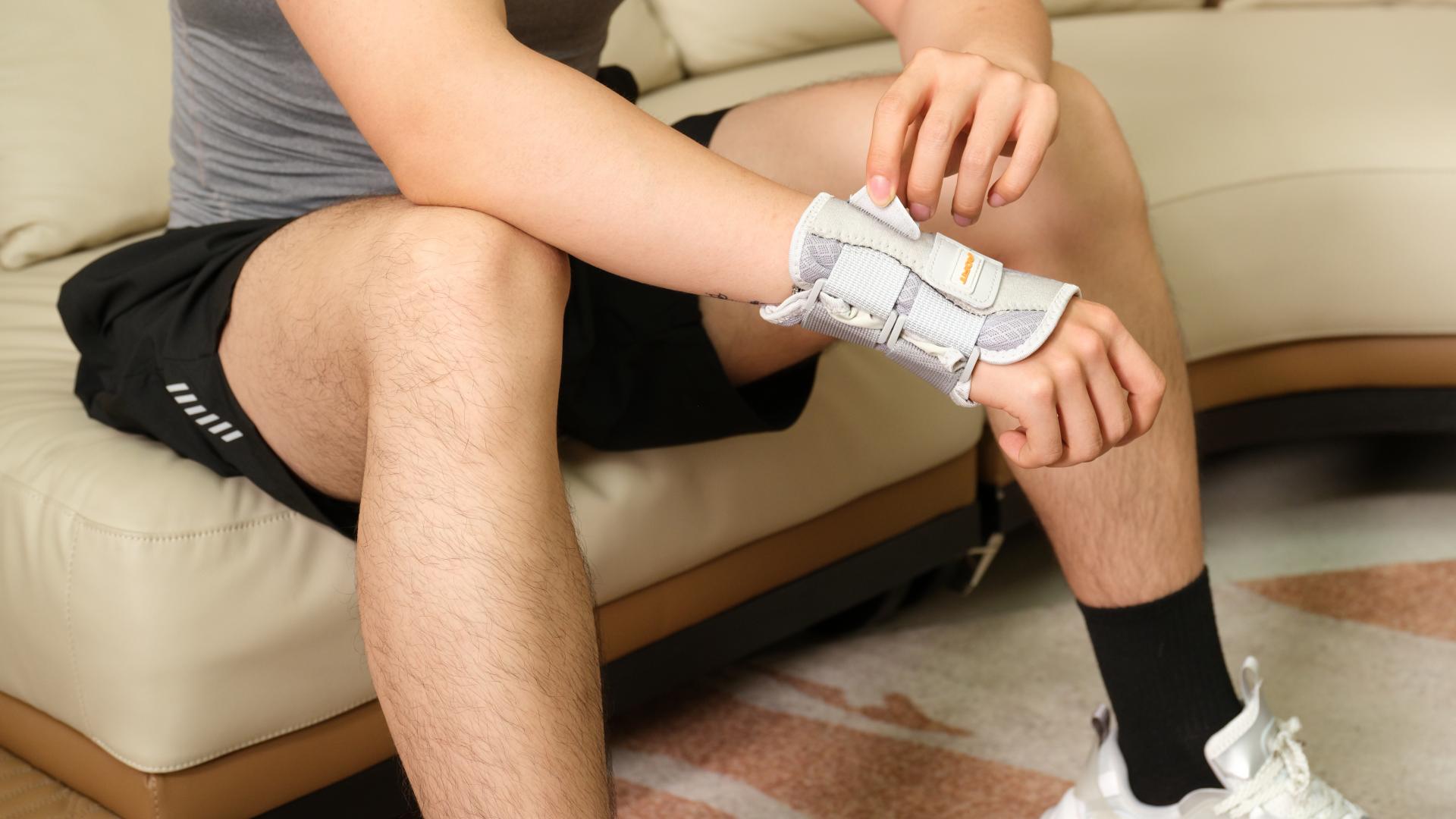
The wrist is one of the most frequently used joints in the human body. From typing and lifting to sports activities and daily tasks, the wrist plays a critical role in nearly every upper-limb movement.
Because of this constant use, the joint is particularly vulnerable to injury, overuse, and degenerative conditions. Problems such as tendon inflammation, repetitive strain injuries, arthritis, and nerve compression can all affect wrist function and quality of life.
To help manage these conditions, healthcare professionals often recommend wrist splints as part of a conservative treatment or rehabilitation program.
Although many people have heard of wrist splints, they are often confused with wrist braces or compression supports. Understanding their purpose and how they work can help patients and caregivers make more informed decisions when selecting appropriate support devices.
The Role of Wrist Stabilization
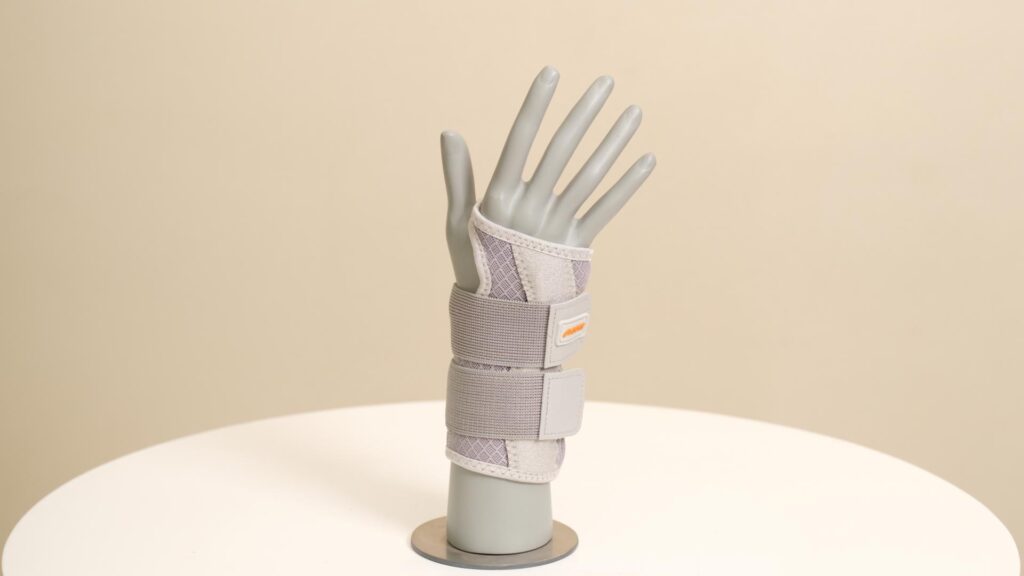
The primary purpose of a wrist splint is to provide stabilization while limiting movements that may aggravate an injury or delay recovery.
Unlike simple compression sleeves, wrist splints are designed to control joint motion and maintain a more neutral wrist position.
This stabilization serves several important functions.
Joint Protection
When tissues surrounding the wrist are injured or inflamed, excessive movement can increase stress on the affected area.
A wrist splint helps reduce unnecessary motion, protecting vulnerable structures during daily activities and recovery.
Motion Control
Many wrist conditions worsen when the joint repeatedly bends, twists, or extends beyond a comfortable range.
By limiting these movements, a splint helps reduce irritation and supports tissue healing.
Tissue Offloading
Inflamed tendons, ligaments, and nerves often benefit from reduced mechanical stress.
A properly fitted support device can help redistribute forces away from sensitive structures, allowing them to recover more effectively.
Functional Recovery
Stabilization is not only about restricting movement—it is also about creating an environment where recovery can occur.
When pain and irritation are reduced, patients are often better able to participate in rehabilitation exercises and daily activities.
Clinical Applications of Wrist Splints
Wrist splints are used across a wide range of orthopedic and rehabilitation settings.
The specific design and level of support required depend on the underlying condition.
Carpal Tunnel Syndrome
Carpal Tunnel Syndrome occurs when the median nerve becomes compressed as it passes through the carpal tunnel in the wrist.
A wrist splint for carpal tunnel syndrome is commonly used to maintain a neutral wrist position, particularly during sleep, helping reduce pressure on the nerve and alleviate symptoms such as numbness, tingling, and discomfort.
Tendon Injuries and Tendonitis
Repetitive movements can place significant strain on the tendons that control wrist and hand motion.
By limiting excessive movement, wirst brace for tendonitis help reduce irritation and allow inflamed tendons to recover.
Arthritis Management
Individuals with osteoarthritis or rheumatoid arthritis often experience joint pain, stiffness, and reduced function.
Supportive splints can help improve comfort by stabilizing the wrist and minimizing painful movements.
Fracture Recovery
Following certain wrist fractures, healthcare providers may recommend splinting as part of the healing process.
The goal is to help protect the injured area while maintaining appropriate positioning.
Post-Operative Care
After surgical procedures involving the wrist or hand, temporary immobilization may be required to protect healing tissues.
Specialized splints are frequently used during this stage of rehabilitation.
Types of Wrist Splints
Not all wrist splints are designed for the same purpose.
Different styles provide varying levels of stabilization depending on the condition being treated.
Volar Wrist Splints
Volar splints are positioned along the palm side of the forearm and wrist.
They are commonly used to support acute injuries, reduce pain, and limit wrist movement during early recovery.
Cock-Up Wrist Splints
This design maintains the wrist in a slightly extended position.
Cock-up splints are widely used for conditions such as Carpal Tunnel Syndrome, tendonitis, and nerve-related disorders.
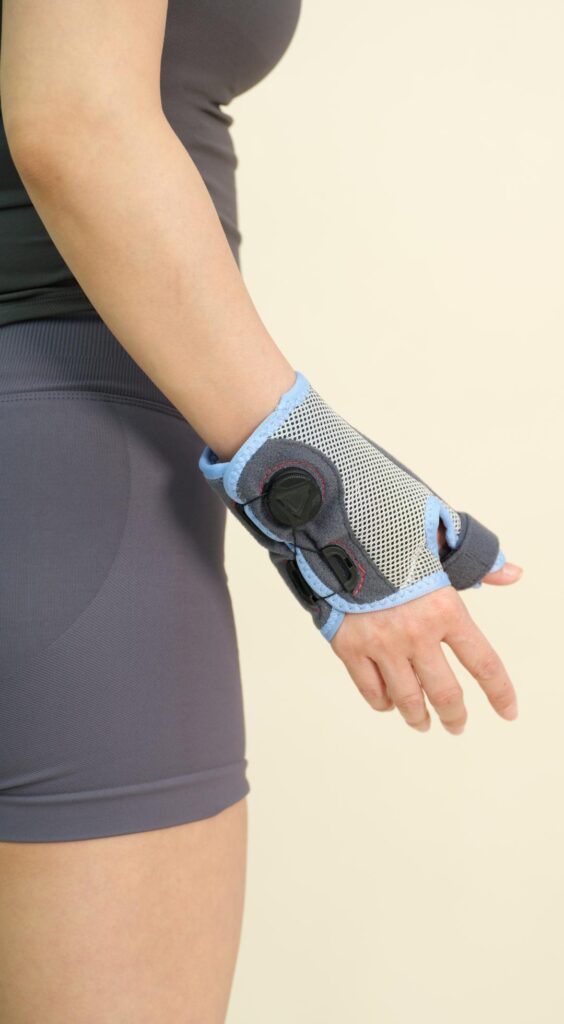
Thumb Spica Splints
Thumb spica splints extend support to both the wrist and thumb.
They are frequently used for thumb injuries, ligament instability, and conditions such as De Quervain’s tenosynovitis.
Night Splints
Night splints are specifically designed for use during sleep.
Their primary purpose is to prevent wrist positions that may worsen symptoms, particularly in individuals with nerve compression disorders.
Key Design Features That Affect Performance
The effectiveness of a wrist splint depends not only on the condition being treated but also on the design of the device itself.
Aluminum or Metal Stays
Many splints incorporate removable metal stays that help maintain proper wrist positioning.
These structural components provide controlled immobilization while allowing adjustments based on treatment needs.
Anatomical Contouring
A support device should follow the natural shape of the wrist and forearm.
Anatomically contoured designs often provide better comfort and improved stabilization.
Adjustable Strap Systems
Proper fit is essential for effectiveness.
Multiple adjustment points allow users to achieve a secure fit without creating excessive pressure.
Breathable Materials
Extended wear can lead to heat and moisture buildup.
Modern fabrics and ventilation designs help improve comfort and encourage long-term compliance.
Lightweight Construction
Patients are more likely to wear a support device consistently when it does not interfere excessively with daily activities.
Lightweight materials can contribute significantly to user satisfaction.
Choosing the Appropriate Wrist Splint
Selecting the right wrist splint involves more than choosing the first available option.
Several factors should be considered.
Severity of the Condition
Mild overuse injuries may require only moderate support, while more significant injuries often benefit from greater immobilization.
Intended Use
Some splints are designed for daytime activities, while others are optimized for nighttime wear.
The intended application should guide product selection.
Comfort and Compliance
Even the most supportive device will have limited effectiveness if it is uncomfortable and rarely worn.
Comfort remains a critical consideration in long-term rehabilitation.
Professional Guidance
Healthcare providers can help determine the most appropriate level of support based on diagnosis, symptoms, and recovery goals.
Understanding the Limitations of Wrist Splints
Although wrist splints provide valuable support, they are not a cure for underlying conditions.
A splint cannot repair damaged tissues, eliminate arthritis, or permanently resolve nerve compression.
Instead, it serves as a supportive tool within a broader treatment strategy that may include:
- Physical therapy
- Activity modification
- Strengthening exercises
- Ergonomic adjustments
- Medical intervention when necessary
The most successful outcomes typically result from combining appropriate support with a comprehensive rehabilitation plan.
Conclusion
Wrist splints play an important role in orthopedic care and rehabilitation by helping stabilize the wrist, control excessive movement, and reduce stress on injured or inflamed structures.
They are commonly used for conditions such as Carpal Tunnel Syndrome, tendon injuries, arthritis, fracture recovery, and post-operative care. Different designs—including volar splints, cock-up splints, thumb spica splints, and night splints—provide varying levels of support depending on clinical needs.
While wrist splints cannot replace medical treatment or rehabilitation, they can contribute significantly to symptom management and functional recovery when used appropriately.
By understanding their purpose, design features, and applications, patients and healthcare providers can make more informed decisions about selecting the most suitable custom wrist brace and splint solution. Contact AOFIT now.