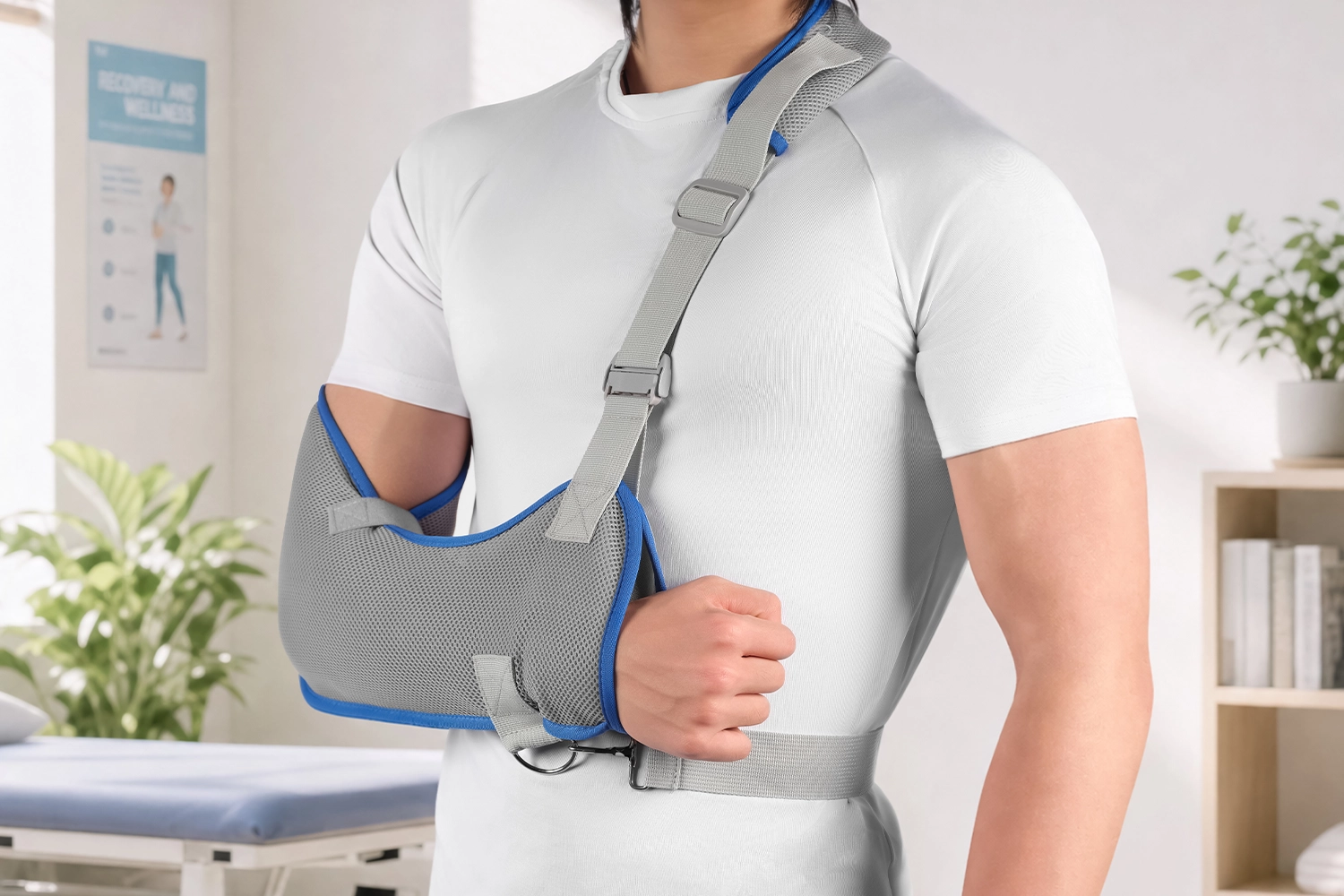
Your surgeon just handed you a sling and sent you home. If you’re staring at a wall of options online, wondering which arm sling for shoulder surgery will actually keep your rotator cuff protected (and let you sleep without wanting to cry), you’re not alone. Most patients don’t realize that the wrong shoulder abduction pillow sling can slow healing, cause skin irritation, or fail to hold your arm in the position your surgeon actually prescribed.
We tested and vetted the market, cross-checking materials, adjustability, and comfort against real physical therapist recommendations, to bring you the five slings For Rotator Cuff Surgery that actually earn their price tag. Below, you’ll find detailed breakdowns, a side-by-side comparison table, and expert insight into what matters for a smooth recovery.
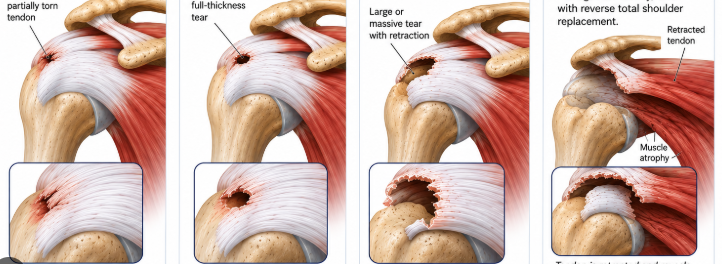
Vive Shoulder Abduction Sling (Abduction Pillow Style – Top Pick for Strict Post-Surgery Immobilization)
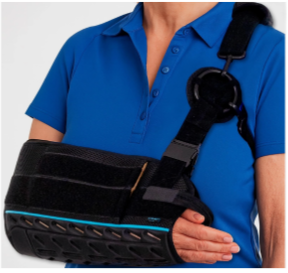 | Nearly 2,300 third-party reviews back this one up, and that’s not a typo. The Vive Shoulder Abduction Sling is what you buy when your surgeon says you need serious, non-negotiable immobilization after rotator cuff repair. This is not a “nice to have” support. It’s true post-op shoulder support. |
Why It Works for Strict Immobilization
The removable 15-degree abduction pillow is the centerpiece. This foam wedge holds your arm at a precise angle that reduces load on a repaired rotator cuff. Orthopedic specialists flag that angle as critical during the first weeks of recovery. The sling fits patients 5’2″ and taller with waist sizes up to 45 inches. Adjustable shoulder and waist straps get you there.
Build quality matters when you’re wearing something for weeks. The outer shell uses a nylon/spandex blend. The interior is pure nylon padded with dense foam. You also get a removable 3-inch foam stress ball for gentle hand exercises, plus two interior pockets for storage.
The Trade-Off
At $59.98, this isn’t the cheapest sling for shoulder surgery. It’s also bulkier than lighter alternatives. Reviewers consistently note that one-handed donning is tough; you’ll likely need help the first few times. Straps require occasional readjustment throughout the day.
Who Should Buy This
If your surgeon flagged a medium-to-large tear requiring strict abduction, this sling’s rigid structure earns its price. It’s backed by a 60-day guarantee, so there’s room to test it against your specific recovery needs before committing long-term.
Velpeau Arm Sling Shoulder Immobilizer (Lightweight & Comfortable — Best for Everyday Wear)
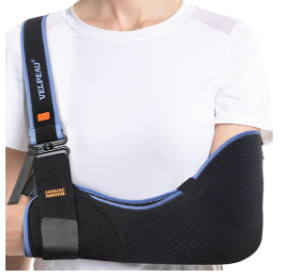 | Weight matters more than most patients expect during a six-week recovery window. The Velpeau Arm Sling Shoulder Immobilizer weighs 0.42 lb in size M, roughly the weight of three eggs. Some listings for the comfort-focused version go even lighter, under a quarter of a pound. That difference matters when you’re wearing a shoulder immobilizer brace 20+ hours a day. |
Comfort-Focused Build
This sling skips the hard plastic and metal hardware you’ll find on structured competitors. Instead, it uses sponge material with air holes, paired with skin-friendly sweat cloth. Some versions add Lyocell mesh fabric for hot climates. The shoulder strap is padded with foam, so it won’t dig into your neck during long wear.
Left or Right—One Sling, No Guesswork
Velpeau markets this as a true left-and-right-arm sling for shoulder surgery. Hook-and-loop closures let you adjust fit and switch sides without buying two separate units. That’s a practical win if you’re shopping for a rotator cuff recovery brace and don’t want to overthink sizing.
Where It Fits in Your Recovery
This isn’t the sling for strict abduction protocols. Compare it to the Vive above: Vive ships at 1.8 lb with dense foam and an abduction pillow for maximum stability. Velpeau trades some of that rigidity for daily livability, making it a better shoulder sling for sleeping, working from home, or managing a sling for frozen shoulder where comfort outlasts intensity.
Who Should Buy This
Choose Velpeau if your surgeon didn’t mandate a fixed-angle abduction pillow, and you’re prioritizing breathability and low bulk over heavy-duty immobilization.
FIGHTECH Rotator Cuff Shoulder Brace (Rehab Support + Hot/Cold Therapy)
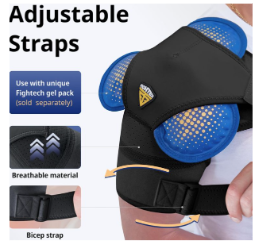 | Nearly 16,600 ratings don’t lie. This brace has become the go-to pick for anyone managing shoulder pain long after the initial post-op window closes, and it earned that reputation with a built-in cold or hot packs pocket that its competitors skip. |
Compression Meets Therapy
FIGHTECH is a shoulder immobilizer brace that doubles as a wearable RICE system. The pocket holds a gel pack (sold separately) that you freeze or microwave, then slide behind hook-and-loop straps for adjustable compression. That combo lets you switch between icing a flare-up and applying heat before activity, all without removing the brace itself.
The Fit Problem
Support runs medium to strong, which some reviewers love and others find restrictive. Sizing skews small, especially in S/M, and a few buyers noted a strong initial odor straight out of the packaging. Left-right universal fit works well, but measure carefully before ordering.
Who Should Buy This
Skip this if you need rigid post-surgical immobilization. Choose it if you’re managing chronic pain and want compression paired with hot-cold therapy in one product.
User feedback splits into two clear camps. Long-term patients dealing with frozen shoulder, bursitis, tendonitis, or AC joint discomfort make up the bulk of reviews, praising the “constant soothing pressure” during daily tasks. The second group includes post-op patients recovering from SLAP repairs or even broken humerus fractures, using it as supplemental support rather than primary fixation.
VISKONDA Arm Sling Shoulder Immobilizer (Basic E-Commerce Version)
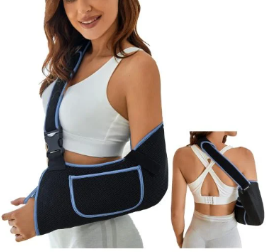 | Sometimes you just need a basic sling. The VISKONDA Arm Sling Shoulder Immobilizer is the entry-level pick on this list. The product title spells out what it’s for: broken, dislocated, fracture, strain. This is mild-to-moderate support, with none of the structure of a post-op rig. |
What You’re Getting
VISKONDA works for both left and right arms. A simple padded cuff cradles the forearm, and an adjustable strap fits different heights and builds. The mesh fabric keeps things breathable for daily wear. Hook-and-loop closures make one-handed adjustments realistic, a small detail that matters when your other arm isn’t cooperating.
Where It Falls Short
Compare this to the Vive sling above, and the gap is obvious. VISKONDA skips the abduction pillow entirely. There’s no angle control, no elbow-shoulder linkage, no thumb loop or phone pocket like you’ll find on more feature-rich options. It won’t replace a proper rotator cuff recovery brace if your surgeon prescribed strict positioning.
Who Should Buy This
Pick VISKONDA for minor strains, early clavicle support, or short-term stabilization where reducing arm swing matters more than locking in a precise abduction angle.
Procare Blue Vogue Arm Sling (Entry-Level Basic Support)
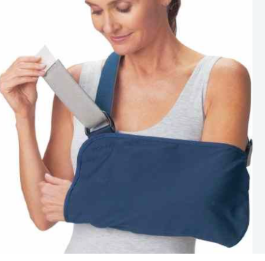 | Not every recovery needs a $60 rig with an abduction pillow. Sometimes basic works, and that’s exactly the gap these two orthopedic shoulder sling options fill. |
Built for Simple Support, Not Complex Structure
Procare Blue Vogue uses a 2-inch fully padded foam shoulder strap with D-ring and hook-and-loop adjustment, plus a thumb loop that stops your arm from sliding out mid-day. The poly-cotton pouch works for either arm.
A JBJS randomized study on 80 rotator cuff repair patients (small to medium tears) compared sling versus no-sling protocols. The takeaway matters: outcomes depend more on wear duration and rehab adherence than sling complexity. Basic support holds up fine for lighter injuries.
Pricing Stays Accessible
UK retailers list Procare Blue Vogue between £7.04 and £14.39.
Who Should Buy This
Choose this route for mild strains, short-term post-op protection, or budget-conscious recovery where full immobilization isn’t the prescription.
How to Choose the Right Slings For Rotator Cuff Surgery Based on Your Situation
The wrong sling is uncomfortable, and it can slow your recovery.
Match Your Sling to Your Recovery Stage
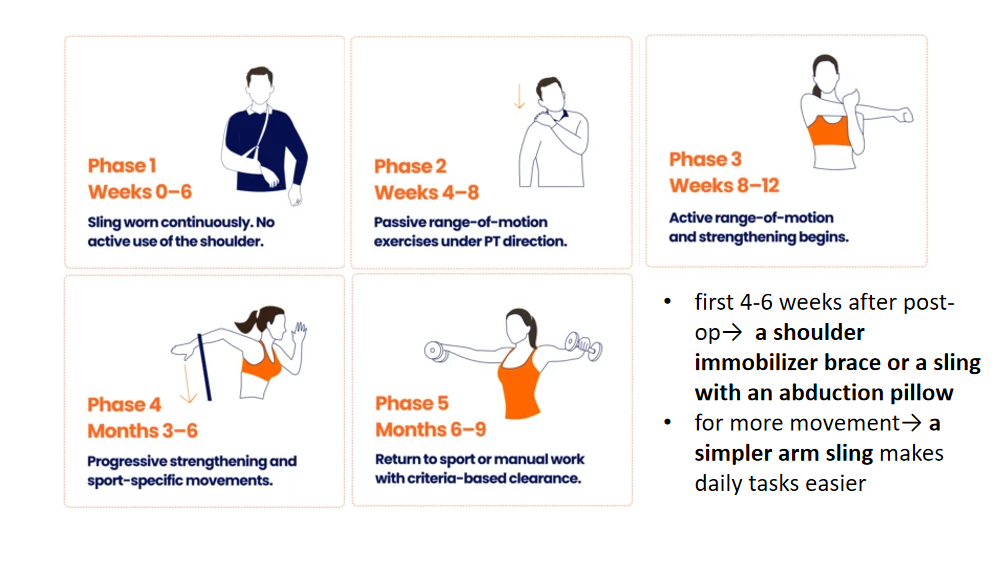
You’ll need a different sling in the first 4-6 weeks post-op than you will at week 8. Early on, choose a shoulder immobilizer brace or a sling with an abduction pillow if your surgeon flagged strict angle control, which is common after rotator cuff repair, Bankart repair, or anterior dislocation stabilization. Once you’re cleared for more movement, or if you had a smaller-to-moderate tear repair, a simpler arm sling makes daily tasks easier. Smaller tears don’t always need aggressive fixation, and outcomes hold up fine either way.
Choose Based on Your Specific Needs
- Neck and shoulder soreness: Look for wide, padded shoulder straps that spread the weight, not a thin strap digging into your neck.
- Struggling to sleep: Pick a sling for sleeping with strong retention that won’t slip if you roll over. A trunk-stabilizing design keeps your arm from moving on its own while you sleep.
- Older adults or balance issues: Prioritize easy one-handed adjustment and avoid long, loose straps that create trip hazards. Caregivers should check the skin daily for pressure marks.
Fit Standards That Actually Matter
Your forearm should be fully supported from wrist to elbow, with your elbow at roughly 90 degrees and your hand slightly above. You should fit two fingers under the strap comfortably. Numbness, tingling, cold or discolored fingers, or worsening swelling all mean the fit is too tight. Fix the fit right away.
Quick Self-Check After Putting It On
- Elbow near 90°, hand slightly elevated, fingers move freely
- Normal hand temperature and color, no increasing numbness
- You can manage basic daily tasks without your arm swinging loosely
FAQs
Six weeks feels different when you’re the one wearing the sling. Here’s what surgeons and post-op protocols actually specify, broken down by the questions patients ask most.
How long do I actually need to wear an arm sling for shoulder surgery?
There’s no universal number. Most protocols land between 2–6 weeks, with many surgeons specifying 4–6 weeks as the standard window. Larger repairs, revision surgeries, or shoulder replacements often push that to 5–6 weeks. Reverse shoulder replacement revisions can extend wear time to a full 6 weeks. Some lighter procedures allow gradual weaning starting at week 3. Certain protocols require 23.5 hours a day, removing the sling only for hygiene. Others specify wear “day and night” until your follow-up appointment. Always follow your surgeon’s written instructions over generic advice.
How do I clean my shoulder immobilizer brace?
Remove it daily to wash your arm and underarm skin. Sweat buildup underneath causes irritation fast. Hand-wash the sling body. Removable abduction pillows and shoulder pads typically detach for separate cleaning. Keep the sling itself dry; most instructions explicitly say don’t get it wet. During showers, use unscented wipes or a damp cloth on your shoulder and underarm instead of removing the sling and lifting your arm to wash normally.
What’s the correct way to wear it?
Your forearm should rest fully supported, elbow tucked close to your body, positioned slightly forward rather than pulled backward. This reduces tension on the repair site. Straps should fit securely without being tight. Look for wording like “elbow held firmly” or “strap sits at mid-forearm” as your fit benchmark. When dressing, put your surgical arm through clothing first, then your healthy arm. Reverse the order when undressing. This minimizes shoulder movement during a period when even small motions matter.
Conclusion
Your recovery timeline shouldn’t hinge on a poorly fitted sling. If your surgeon prescribed strict abduction, the Vive Shoulder Abduction Sling earns its spot as the gold standard. If comfort and all-day wearability matter more, Velpeau delivers where bulkier options fail. And if you’re managing swelling on top of immobilization, FIGHTECH’s hot/cold feature is worth the upgrade.
A well-chosen arm sling for shoulder surgery directly impacts pain levels, sleep quality, and how faithfully your patient is with the physical therapist’s protocol. If you’re going to customize lightweight, breathable and comfortable shoulder braces for your patients after Rotator Cuff Surgery, you are in the right place. AOFIT, as the number 1 certified brace manufacturer in China, always is ready with wide OEM/ODM solutions.