
You settle into bed, fluff your pillow, and close your eyes. Then a question keeps you awake: *should I sleep with a finger splint on, or will I make things worse by tossing and turning with it?* It is a small detail, but it feels stressful at midnight. You might be nursing a jammed finger from a weekend softball game, recovering from a mallet finger, or managing a broken finger that is still healing. Whatever brought you here, you need a straight answer.
There is a clear, injury-specific way to handle this. You can also take simple steps to keep your hand safe, comfortable, and swelling-free while you sleep. We will cover when to keep the splint on and when to take it off, along with the nighttime habits that dictate how quickly your finger heals.
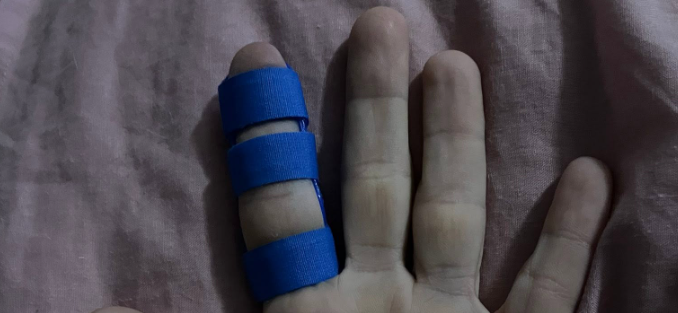
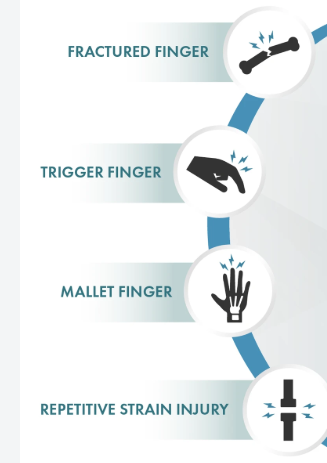
Finger Splint at Night: By Injury Type (Mallet Finger, Sprains, Trigger Finger)
Finger injuries require different recovery schedules. The right nighttime splinting approach depends on what you are healing.
Mallet Finger: Soft Tissue vs. Bony
A soft tissue mallet finger (a tendon injury) needs 24/7 wear for 8 weeks. Follow this with 2 to 4 more weeks of night splinting as the finger transitions off support.
A bony mallet finger involving a small fracture heals faster. Expect 6 weeks of continuous wear, then another 2 to 4 weeks at night.
Your DIP joint (the one closest to your fingertip) cannot bend day or night during the active healing window. Not even for a few seconds. Keep that joint locked straight even while washing your hands.
Fractures or Acute Injuries
Doctors generally recommend wearing the splint at all times—including at night—to keep the bone or joint properly aligned.
Hand Sprains and Strains
Hand sprains and strains follow a different timeline. Protect the joint and surrounding soft tissue with full-time splinting for 3 to 4 weeks. You can transition into lighter support or night protection as swelling and pain improve.
Trigger Finger: Why Nighttime Matters Most
The goal for trigger finger is keeping your finger straight overnight so it does not lock or catch when you wake up. A night splint keeps the finger extended while you sleep. This reduces the chance of your flexor tendon getting stuck in a locked position by morning. You can add a daytime splint if symptoms are severe.
Quick Comparison
| Injury | Daytime Wear | Nighttime Wear | Typical Total Time | Main Goal |
| Mallet finger (soft tissue) | 24/7 | 2–4 weeks after | 8 weeks + taper | Prevent DIP re-bending |
| Mallet finger (bony) | 24/7 | 2–4 weeks after | 6 weeks + taper | Support bone/tendon healing |
| Sprain/strain | Full-time | As recovery allows | ~3–4 weeks | Protect soft tissue |
| Trigger finger | Optional/daytime add-on | Commonly nightly | Varies by symptoms | Prevent locking during sleep |
For arthritis-related stiffness, use a night splint when pain flares. Adjust your wear schedule based on your symptoms and your doctor’s guidance.
When NOT to Wear Your Finger Splint to Bed
Not every splint belongs to your hand at 2 a.m. Some are designed for daytime use, and wearing them overnight can slow your recovery.
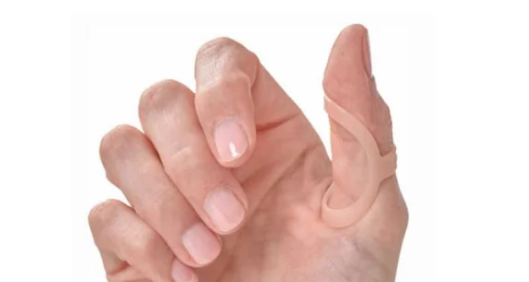
Take the Oval-8 finger splint. The instructions say to wear it during the day and leave it off while sleeping. Some hospital discharge sheets go further and state the splint should not be used at night at all.
This also applies to working splints, which support your finger during specific activities. Arthritis UK says a working splint should stay off at bedtime unless a therapist or nurse tells you otherwise.
How to Tell If Yours Falls Into This Category
Check your discharge paperwork, your prescription, or the instructions from your hand therapist. Look for words like daytime, during activities, or as needed. Do not add nighttime wear on your own unless the documents mention night-time, overnight, or full-time.
The All-Day-Every-Day Mistake
Many people think more splinting equals faster healing. It doesn’t always work that way. Arthritis UK warns against wearing a splint without a break because joints stiffen when they never get a chance to move.
Sleeping in a splint built for daytime support can also cause your finger to swell overnight. Once that happens, the splint becomes hard to pull off in the morning.
If your care plan calls for split-time wear instead of 24-hour immobilization, follow that schedule. Your provider chose it for a reason.
Key Risks of Sleeping With a Finger Splint On
One sleepy, unconscious bend of your finger can erase weeks of healing. For a mallet finger, the DIP joint (the last knuckle near your fingertip) must stay straight day and night without exception. If it bends even once while you are half-asleep, the repairing tendon or bone pulls apart again. You will have to restart the clock with a fresh 6 to 8 weeks of full-time immobilization, often followed by another 2 to 4 weeks of night splinting. Nighttime is the riskiest window because you cannot watch your hand while you dream.
Skin Problems You Might Not Notice Until Morning
Continuous splinting can irritate your skin. Check your finger every day for redness, dryness, friction marks, blisters, or pressure sores along the edges and at the fingertip. Lingering red marks, broken skin, or worsening pain mean your splint is too tight or rubbing in the wrong spot. Keep the injured finger straight the entire time you wash your hands, and put the splint back on right afterward.
Circulation Warning Signs to Take Seriously
Numbness, tingling, a cold finger, swelling that won’t go down, or skin turning pale, blue, or dark mean your blood flow is compromised. Contact a doctor today if you experience severe pain paired with numbness, coldness, or color change.
Your splint should feel snug. If you are unsure if it is too tight, loosen it and check the finger again in fifteen minutes.
How to Sleep With a Finger Splint: Night-Care Checklist
A quick bedtime routine for your splinted finger takes two minutes and prevents overnight complications.
Before You Turn Off the Light
Run through this quick check before you climb into bed:
- Tape or straps secure. Fix loose or dangling tape now so you can sleep through the night.
- Finger straight. Ensure the tip and the joint stay flat.
- Skin check. Look at your fingertip for white, purple, or blue coloring, numbness, tingling, or a deep indentation from the splint edge. Adjust the fit immediately if you notice any of these signs.
If you need to swap or re-tape the splint, lay your hand flat on a table first, palm down, with your finger resting straight. Adjusting the splint in midair makes it easy for the finger to bend without you noticing.
Keep It Clean and Dry
Damp skin under a splint turns red, sore, and sometimes blistered within days. Wash your finger with soap and water while keeping it straight, then dry the skin well before reapplying the splint. A warm washcloth or baby wipe works for the splint itself. Pat it down or let it air dry before putting it back on. In the shower, wear a plastic bag or rubber glove over your hand to block water. If the splint gets soaked, use a hairdryer on the cool setting to dry it without overheating your skin.
Find a Sleep Position That Protects Your Hand
Avoid putting any pressure on the joint while you rest. Keep your splinted hand on top of a pillow or along your side, away from where your body weight lands. Check that the splint faces outward, and keep your fingertip clear of the pillow’s edge or heavy blankets. Positioning your hand this way prevents overnight shifting from undoing your progress.
First Thing in the Morning
Check four things the moment you wake up. Ensure the finger is straight and the splint has no cracks. Verify the tape remains snug and your fingertip has normal color and feeling. Fixing a slipped splint right away keeps your recovery on track.
Signs You Need to Contact Your Doctor
Do not guess when it comes to your splint. Keep it on until your clinician tells you to remove it, unless your care instructions include a clear end date. One hospital care guide advises leaving the splint in place until a doctor clears you. Taking it off early can undo your healing, even if your finger feels fine.
Call your doctor the same day if you notice:
- A loose, cracked, wet, or damaged splint
- A bent or deformed finger that won’t straighten
- Worsening pain or swelling
- New trouble moving your finger or nearby fingers
- Numbness, tingling, weakness, or skin turning cold, pale, gray, or blue
- Burning, stinging, a hot painful spot, or skin breakdown under the splint
- Blisters, open sores, redness, drainage, or a bad smell near the splint
These symptoms can delay your recovery time, so call your clinic right away.
Treat these as emergencies:
- An open wound or exposed bone
- A finger with no feeling, no movement, or a blue-gray color
- Signs of infection like a fever, pus, red streaks, or spreading warmth and redness
If your splint slips off, gets soaked, or snaps a strap, hold the finger straight, loosen anything tight, and call your provider. Go straight to urgent care if color, movement, or sensation feels wrong.
Finger Splint Care FAQ: Quick Answers to Common Concerns
Can I take the splint off to shower? Yes, if your doctor says so. If you wear a 24/7 mallet finger splint, leave it on. Seal your hand in a plastic bag with tape or a rubber band instead. Keep your arm raised so water cannot seep in.
How do I know if it’s too tight or too loose? Tingling, a bluish color, or coldness means it is too tight. If it slips or your finger will not stay straight, it is too loose. Try loosening the fit a bit first. Call your clinic if nothing improves.
Why isn’t my splint working? Common causes include water damage, a shift in position, or changes in swelling. Check the fit every day.
What about buddy taping? Taping your injured finger to a neighbor is a lighter option for mild sprains. But it will not hold a mallet finger straight enough for proper healing.
Conclusion on Should I Sleep With a Finger Splint On
You should sleep with a finger splint on in most cases. Keep it on if you are healing from a mallet finger, a fresh fracture, or a jammed knuckle that is still cranky. Your fingers do not know the difference between day and night, and neither do the injuries inside them. If you notice numbness, tingling, or skin that looks angry and red, take the splint off.
Wear the splint correctly by checking your circulation before bed and knowing when to call your doctor. This nightly diligence helps prevent a frustrating setback. Contact AOFIT now for more finger splint solutions.