That crick in your neck that won’t quit is stealing your sleep, night after night. Whether you’re recovering from whiplash, managing a herniated disc, or just tired of waking up feeling like you slept wrong on purpose, the right neck brace for sleeping can turn restless nights into actual rest.
We tested five of the most talked-about cervical collars on Amazon, putting them through real overnight use, checking breathability, adjustability, and how well they actually held up against neck pain when you’re horizontal for eight hours.
Below, you’ll find our honest picks, a side-by-side comparison table, and guidance on using the right support to your specific neck issue, so you’re not guessing at 2 a.m.
Why You Need to Sleep with a Neck Collar
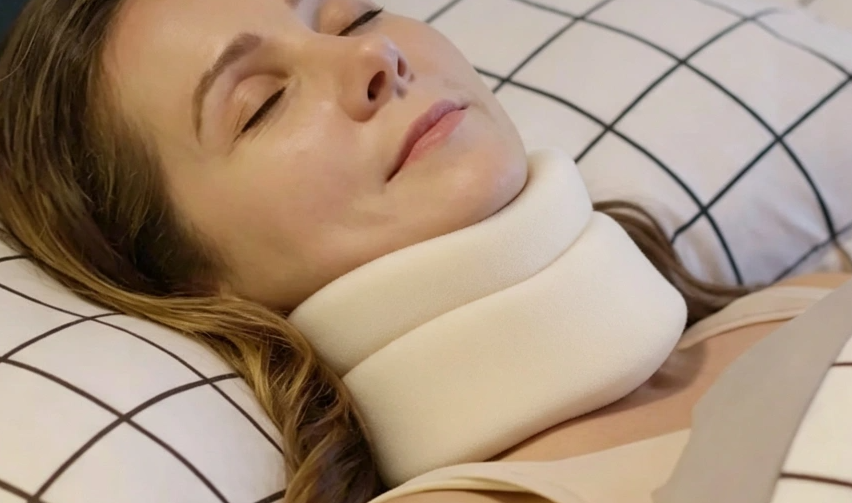
Wearing a neck collar to bed isn’t merely a matter of following medical advice—it’s a vital step in supporting your neck’s natural healing process. Whether you’re post-surgery, coping with a cervical injury, or managing a condition such as radiculopathy, nighttime stabilization is key to avoiding unnecessary strain. Even minor shifts in sleep position can throw your spine out of alignment, intensify discomfort, and prolong recovery if the neck isn’t properly supported.
Conditions like cervical disc herniation, severe sprains, and recovery from kyphoplasty all demand consistent immobilization, and sleep is when you have the least conscious control over your movements. A correctly fitted collar helps maintain spinal alignment and guards against sudden twists or jerks that could hinder your progress. Though adjusting to a neck brace at night may take some time, it remains one of the most effective ways to promote a more comfortable and efficient recovery.
5 Best Neck Brace for Sleeping on Amazon: Recommended By AOFIT
For a neck brace that’s comfortable enough to sleep in, breathability and softness are essential. The ideal design should be plush for overnight use, yet firm enough to provide proper support. Key features to consider include:
- Lightweight foam
- Skin-friendly fabric
- Breathable construction
- Adjustable Velcro straps
- Ergonomic shaping
We’ve tested the following 5 options with these criteria in mind, so you can find a brace that supports your posture without sacrificing all-night comfort.
Wonder Care Soft Cervical Collar
 | Material Construction: Medium-density soft foam wrapped in a breathable knit cover. Key Structural Feature: Adjustable hook-and-loop closure with built-in air ventilation holes. Best Use Case: Individuals who overheat at night or experience mild muscle spasms. The Benefit: It prevents sweat build-up while keeping your neck straight and stable. |
Cozyhealth Soft Foam Neck Brace
 | Material Construction: 1-inch thick high-resilience foam. Key Structural Feature: Low-profile options, including highly sought-after 2.5-inch and 3-inch depths. Best Use Case: Side sleepers or shorter individuals who find standard 3.5+ inch medical braces push their heads awkwardly upward. The Benefit: Eliminates awkward head tilting to maintain perfect spine alignment on low pillows. |
Yirochan Silicone Foam Cervicorrect Brace
 | Material Construction: A specialized hybrid of flexible silicone and plush foam. Key Structural Feature: Ergonomic jaw contouring with a highly pliable, adaptive structure. Best Use Case: People dealing with cervical vertebrae pressure, arthritis, or jaw tension. The Benefit: The silicone structure provides reliable support that won’t lose its shape over time, preventing the brace from flattening under your chin. |
Willcom Soft Cervical Collar
 | Material Construction: Latex-free premium elastic blended with Polyurethane and soft Modal fiber. Key Structural Feature: A beveled “V” shape curve tailored to the human neck anatomy. Best Use Case: Chronic neck strain, heavy snoring, or mild positional sleep apnea. The Benefit: Restricts backward and downward sinking motions while hugging the chin snuggly without causing chin sores. |
Corflex Ultra Cervical Soft Collar
 | Material Construction: Premium medical-grade density foam with an ultra-soft stockinette sleeve. Key Structural Feature: Extra wide fastening panels for macro-adjustments. Best Use Case: Post-injury recovery (like whiplash) or severe morning stiffness. The Benefit: Drastically limits tiny, subconscious micro-movements during REM sleep that cause sudden nerve pinches. |
Review Summary & Average Ratings
| Brand | Est. Average Rating | What Users Love (Pros) | Common Complaints (Cons) |
| Wonder Care | 4.0 / 5 stars | • Excellent vertical support • Great cooling airflow holes | • Foam can feel too rigid for some • Sizing inconsistencies |
| Cozyhealth | 4.1 / 5 stars | • Very lightweight design (55g) • Low profile options fit shorter necks | • Modified fits sometimes needed • Foam can feel too warm over time |
| Yirochan | 4.1 / 5 stars | • Pliable silicone retains its shape • Breathable knit fabric | • Best suited for thinner necks • Velcro can degrade after heavy washing |
| Willcom | 4.2 / 5 stars | • Extremely soft skin texture • Snug V-shape prevents chin slipping | • The Velcro strap runs slightly short • Pressure points if sized wrong |
| Corflex | 4.1 / 5 stars | • True medical-grade density • Strong, secure Velcro | • Only available through medical outlets • Stockinette fabric can pill in wash |
How to Sleep with a Neck Brace?
Unfortunately, individuals who must wear a cervical collar often discover that sleeping with the device can cause significant discomfort, potentially disrupting their sleep quality. Nevertheless, several practical strategies exist to help ensure a restful night.
Choose the Right Sleeping Neck Brace Based on Your Neck Issue
Matching the brace to the problem matters more than matching it to the reviews.
Match the type to the diagnosis first
- Chronic neck pain, muscle strain, mild whiplash, waking up with a crick: go soft. Reviews show 76% of patients reported reduced pain. The collar gives mild support, limits sudden movement, and feels closer to everyday wear.
- Post-op recovery, serious injury, doctor-ordered immobilization: rigid collar only, and follow the prescription exactly. The goal is neutral alignment, cutting down forward/backward and side-to-side motion.
- Everyday maintenance, occasional nighttime support: adjustable collar. What matters is whether you can fine-tune height and tightness as your sleep position shifts.
Maintaining Proper Fit
Getting the right collar fit is important: if it’s too loose, it won’t offer proper support, and if it’s too tight, it can limit your movement. Adjust it so that it feels secure yet comfortable, with no pinching or pressure on your head.
Test it lying down, not standing up
Gravity changes everything once you’re horizontal. A collar that fits fine standing can feel completely wrong once you lie back. Put it on, lie flat for 10–15 minutes, and check:
- Head and neck stay in a neutral line: no forward tilt, no tipping to one side
- Chin rests naturally on the support, never wedged in, never pressing your throat
- No numbness, tingling, skin friction, or increased pain. Any of those means it’s too tight or sized wrong
- Snug, not squeezing. Too loose loses support; too tight creates pressure points
Check compatibility with how you actually sleep
Back sleeping is the most stable position for any neck brace. Side sleepers need the collar height matched to shoulder width. Roughly 4–6 inches (10–15cm) from ear to shoulder is the usual reference point. Too high or too low throws the neck out of alignment either way. After rolling over, recheck alignment. If you’re constantly readjusting mid-night, the size or height is off, full stop.
Managing Heat & Discomfort
Because neck braces tend to trap heat and feel uncomfortable—especially in summer—try breathable covers, moisture-wicking pillowcases, or a cooling gel pack to reduce sweating and chafing.
Sleep Positioning and Posture Tips With a Neck Brace
Getting the brace on the right is half the battle. How you position your body once you’re lying down determines whether the cervical collar helps or gets in the way.
Back sleeping wins, every time
Flat on your back is the gold standard for anyone wearing a neck brace for sleeping. Your head, neck, and torso need to stay in one straight line – no tipping forward, no craning back, no tilting sideways. Skip the thick pillow. A thin, low one (or none at all) keeps your head from getting pushed into flexion. If the brace leaves a gap behind your head, tuck a small, flat pillow underneath for light support without propping the head up. A pillow under the knees also helps by easing lower back pull so your whole spine stays neutral.
Side sleeping works, but alignment is non-negotiable
Keep your head, neck, and shoulder in one line – no sinking, no lifting. A pillow between the knees, and another under the top arm if needed, cuts down on torso twisting. A rolled towel along the pillow’s edge adds lateral stability.
What to skip
- Stomach sleeping (twists the neck sideways)
- Pillows that are too thick, soft, or fluffy (pushes the head forward)
- Stacking more than two pillows
Mattress matters more than people think
A firmer, supportive mattress keeps spinal alignment intact overnight. Too-soft mattresses let the body sink, making it harder to hold a neutral neck position.
Rigid collars stay on overnight
Unless your doctor says otherwise, hard cervical collars stay on through the night. Lie flat, keep the neck still, then adjust or swap padding. You can roll over freely but don’t twist the neck or flip onto your stomach. Guidelines recommend removing the collar at least once daily to check skin and clean the liner, since overnight wear increases pressure-point risk.
Bed Adjustments
A small incline does a lot to ease stiffness. Elevate your head using an adjustable bed or a pillow under your upper back to relieve pressure and keep your spine straight.
Pillow Selection
Your pillow matters greatly when sleeping in a neck brace. Choose a low, firm pillow to maintain alignment—avoid overly thick or soft ones that tilt your head forward and create tension. For best results, opt for memory foam or cervical pillows, which mold to your body and offer balanced support.

Safety Warnings: When to Skip the DIY Purchase and Call a Doctor First
Not every neck problem should be solved with an Amazon order. Some situations call for a doctor’s exam before you even think about a cervical collar.
See a doctor before buying if you have:
- Severe trauma or suspected fracture — car accidents, falls, sudden severe neck pain. Rigid collars are for post-surgery or confirmed cervical fractures, not self-diagnosed pain.
- Neurological symptoms — arm or leg weakness, numbness, or pain radiating into your limbs. That’s a medical evaluation, not a shopping trip.
- Post-surgical needs — your surgeon dictates the collar type, rigidity, and wear schedule. Swapping in a generic foam collar isn’t your call to make.
- Swallowing or breathing risk factors — stroke history, head trauma, or high vomiting risk. Collars can increase choking and aspiration risk here.
Stop wearing your brace immediately if you notice:
- Trouble breathing, speaking, eating, or drinking
- New or worsening arm/leg weakness or numbness
- The collar won’t hold your neck still anymore
- Skin breakdown, redness, or persistent irritation that doesn’t improve after cleaning and adjusting
The long-wear trap most people miss
Wearing any orthopedic neck brace past 1–2 weeks starts increasing deconditioning risk — muscles weaken, joints stiffen. Research points to measurable strength loss around the 4-week mark of continuous wear. Soft collars used under 10 days show no real downside. Push past that, and you’re rolling the dice.
The non-negotiables: check skin daily, keep the fit snug (not tight, not loose), and if pain persists past two weeks, get reassessed. A neck brace isn’t a long-term maintenance product. It’s a bridge to recovery.
Conclusion
Not all neck support is the same. The difference between “good enough” and “actually helps” comes down to fit, material, and how long you can realistically wear it.
Match the collar to your condition, not just the star rating. Grab the pick that fits your needs from our comparison table above, follow the fitting tips we outlined, and give it a full week before judging results.
Looking for a Cervical Collar Manufacturer to fulfill your product line? Contact AOFIT now, and we are ready with wide options, including rigid cervical collars built for post-surgical stabilization, and soft foam collars won’t cut strict immobilization.