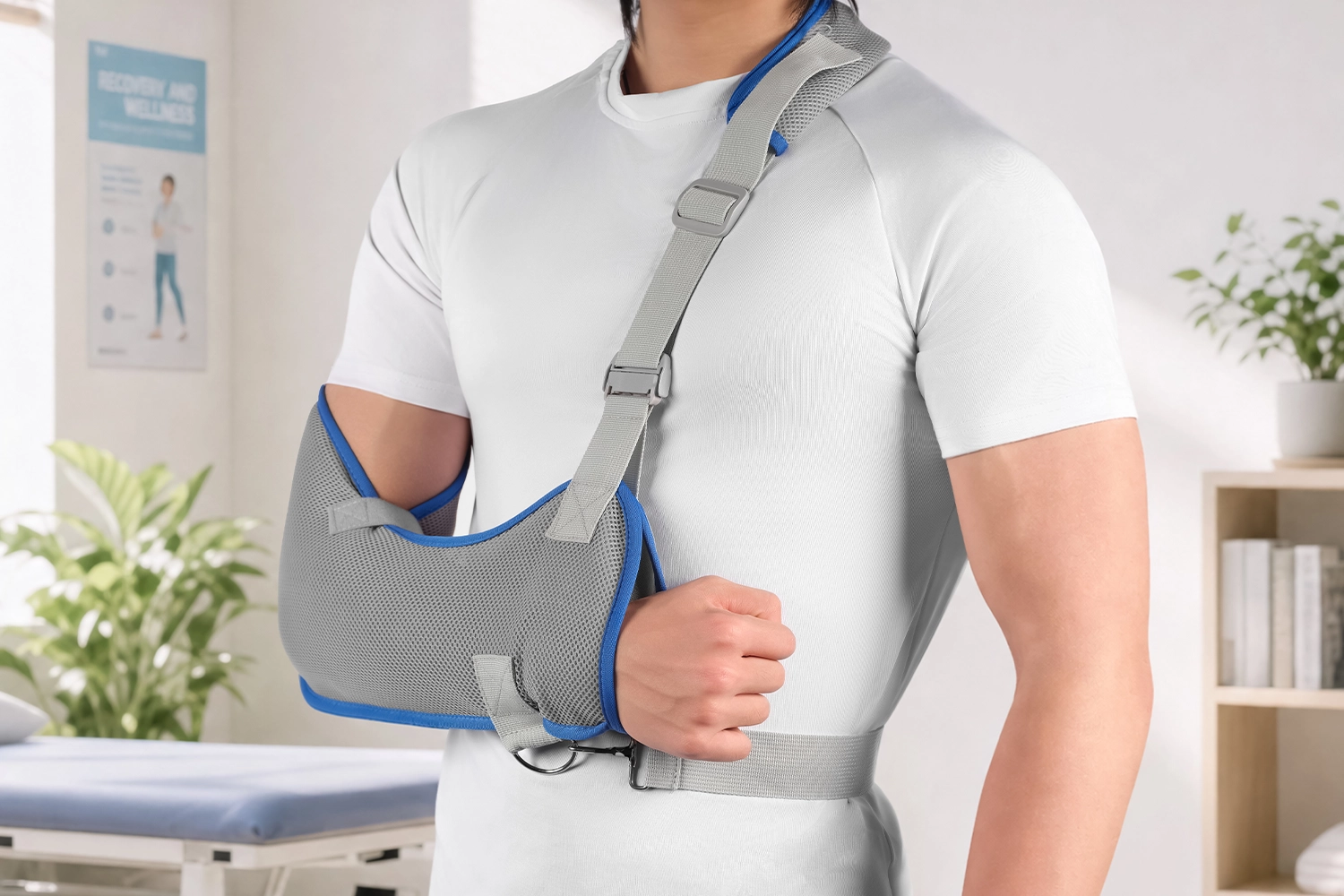
You’ve just unboxed your new back brace, and now you’re standing in front of the mirror wondering: which is right, back brace over or under clothes? It’s a fair question—and one that trips up more people than you’d think. Wear it wrong, and you might end up dealing with skin irritation, a brace that slips out of place, or support that just doesn’t do its job.
Here’s the short version: most orthopedic specialists recommend wearing a back brace under clothes, directly against the skin, for the best fit and function. But that’s not the whole story—there are exceptions worth knowing about, depending on your activity, the type of brace you’re using, and even the season.
This guide breaks down exactly how to position your back brace correctly.
Quick Answer: Is A Back Brace Over Or Under Clothes
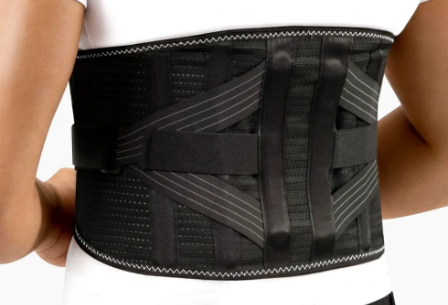
The best-practice setup is a thin, close-fitting base layer, then the back brace, then loose outer clothing. That layering gives you the most practical balance of comfort, hygiene, and support.
Wearing the brace under your clothes, directly against a snug, seamless shirt, keeps it discreet and anchored in place. Scoliosis bracing and lower-back support guidelines generally recommend this. Seams and bunched fabric can dig into skin and cause pressure sores, so a smooth, fitted base layer matters more than people realize.
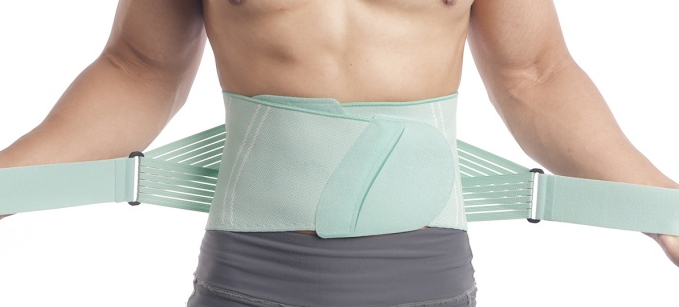
That said, wearing a brace over clothes isn’t wrong. It can reduce friction, make on-the-fly adjustments easier, and improve comfort during extended wear, though you may sacrifice a bit of direct support contact.
Some low-profile back brace manufacturers even design them to work either way, depending on your activity and comfort needs.
Best base layer recommended
- Cotton – Soft, breathable, and kind to sensitive skin, cotton is an ideal choice for wearing beneath a brace. It naturally absorbs moisture, which helps reduce sweating and decreases the likelihood of skin irritation or rashes.
- Moisture-Wicking Synthetics – Performance fabrics, especially polyester blends, are designed to pull sweat away from your body. This helps you stay dry and comfortable, making them particularly useful during extended wear or physical activity.
- Seamless Options – To prevent chafing and irritation caused by rough seams rubbing against your skin, opt for seamless tops or undershirts. Lightweight, breathable tank tops and T-shirts are great choices.
- Snug Support Layers – Form-fitting compression garments made from spandex or elastane blends provide gentle, consistent pressure that can improve brace stability. These tight-fitting pieces help keep the brace firmly in place without adding extra bulk or causing bunching.
For optimal comfort and support, choose clothing that lies smooth against your skin—free of folds or wrinkles beneath the brace. Once the brace is on, take a moment to check the fit by feeling around it; it should sit evenly over your clothing, without being too tight in one area or too loose in another.
Why Wearing A Back Brace Under Clothes Is Usually Recommended
There’s real mechanics behind this recommendation, not just tradition. Three things happen when you wear a brace directly against skin (or against a thin, snug layer): friction drops, sweat gets managed, and support stays even. Skip any one of these, and your brace works against you instead of for you.
The Skin Protection Problem
Wrinkled fabric is the enemy here. A bunched-up T-shirt or a shirt seam sitting under a brace strap gets pressed into your skin with every movement. Over hours, that pressure turns into soreness, redness, or actual skin breakdown. This is why snug, seamless, tagless base layers work better than whatever you grabbed from the drawer. Fabric with a bit of spandex resists wrinkling far better than 100% cotton, which tends to bunch and fold as you move.
Sweat Changes Everything
Moisture is the second variable most people ignore. A back brace worn all day traps heat against your body, and sweat buildup increases both skin irritation and friction—especially in warm weather or during physical activity. Moisture-wicking, breathable fabric pulls sweat away from skin. If you’re sweating through your base layer, that’s your cue to change it, not push through.
Different Braces, Different Reasons
- Lumbar support belts rely on even pressure across the lower back. A snug base layer keeps that pressure consistent instead of concentrated at bunched edges.
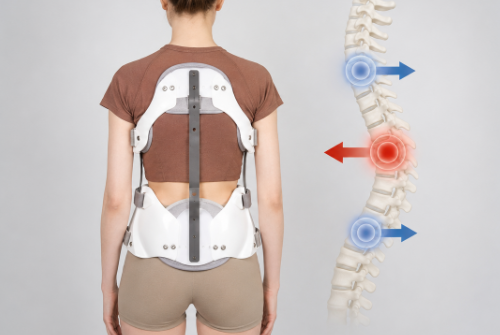
- Scoliosis braces are typically fitted directly over a thin cotton or blend undershirt—this layer exists specifically to prevent pressure sores and absorb sweat, not for warmth or modesty.
- Posture reminder braces need stable shoulder strap positioning. A slippery or loose layer underneath lets straps roll and shift during the day, which weakens the reminder effect entirely.
When It’s Acceptable To Wear A Back Brace Over Clothes
Plenty of situations call for skipping the direct-skin rule entirely. Wearing a back brace over clothes is often the smarter choice for certain people and certain moments.
Four scenarios where over-clothes wear makes sense
- Skin sensitivity or irritation: A thin layer between brace and skin reduces rubbing, making longer wear sessions more tolerable for anyone prone to redness or rash.
- Hot weather: In summer heat, switching to thin tank tops or lightweight shirts helps manage sweat and keeps the brace itself cleaner.
- Mid-day adjustments: When you need to re-tighten straps or shift the brace during work hours, clothing on top makes that far easier than fumbling under a shirt.
- Dusty or dirty job sites: Manual labor jobs mean grime. An outer layer protects the brace from stains and dust, extending its usable life.
Who benefits most from this approach:
First-time users often tolerate a brace better with fabric between it and their skin because less friction means less resistance to wearing it consistently. Sensitive-skin users and workers in messy environments fall into this category too. If you’re using a lumbar support belt rather than a rigid brace, you also have more flexibility here; these belts are thinner and more forgiving.
Choosing the Right Layers for Different Activities
- At Your Desk (Seated): Comfort and discretion come first. A smooth undershirt—bamboo or a synthetic blend—worn beneath your work clothes creates a seamless, invisible look while keeping you cool all day. This matters especially if you depend on posture-support devices during long periods of sitting.
- Manual Work (Lifting or Bending): Stability is the key concern here. A snug, sweat-wicking compression top provides the best grip, preventing the brace from shifting as you twist or lift. If you rely on a back support while standing for extended periods, a firm base layer is essential.
- Sports and Exercise: Managing sweat efficiently is the main goal. A high-quality athletic top made from advanced performance fabrics is essential. These materials help control body temperature, cut down on friction from repeated movements, and keep the brace firmly in place throughout your workout.
- Medical Use: Adjustable lumbar belts and lightweight, breathable braces work well when worn over clothing. Rigid scoliosis braces and Boston-style TLSOs are the exception—they still require a snug cotton shirt underneath to protect the skin, even when worn as the outermost layer.
FAQs About Wearing A Back Brace
Questions pile up fast once the brace is actually on your body. Specialists give answers here for situations the earlier sections didn’t cover.
Can you wear a back brace all day?
Rarely, unless a clinician prescribes it. General-use braces call for 2–6 hours daily, often 2–4 hours during pain-triggering activities. All-day wear is reserved for scoliosis or fracture protocols under medical supervision.
How long should you wear a back brace?
For lower-back pain, 1–4 hours/day is common in patient guidance. Scoliosis cases differ sharply. 18–23 hours/day is standard, with 13 hours cited as an absolute research minimum.
What side effects come with wearing a back brace?
Core muscle weakening, skin irritation, pressure marks, and brace dependence top the list. Heat buildup and redness follow close behind, especially with poor fit or overuse.
Can you sleep in a back brace?
Depends entirely on your prescription. Most orthopedic guides say no unless a doctor specifies otherwise. Scoliosis protocols often require overnight wear as standard treatment.
Can you shower with a back brace on?
It splits by brace type. Some rigid TLSOs allow showering, then removal and drying. Others require sponge bathing only. Check your specific model’s instructions. Waterproof and non-waterproof braces aren’t interchangeable.
When should you stop and call your provider?
Blisters, raw skin, growing stiffness, numbness, or worsening pain are red flags. Don’t wait these out. Get the fit reassessed.
Conclusion
Your skin and your spine will thank you for the right choice. For most everyday situations, wearing your back brace under clothes keeps the device snug against your body, prevents slipping, and reduces the friction that leads to irritation. But context matters. Post-surgical recovery, heavy-duty labor, or bulky winter layers may call for wearing it over clothing. When done correctly, that works fine.
Even the best back brace won’t do its job if wearing it in the wrong way. Now choose AOFIT as your medical brace manufacturer who can give you a complete custom solution no matter if it is a back brace over or under clothes. In addition, we support service on detailed branding and complete introduction info, giving you the most clear wearing way.