You slip on compression socks to take care of your legs. Then your calf starts to ache, and you wonder if they can cause blood clots. When fitted correctly, they help prevent deep vein thrombosis (DVT). But getting that fit right is what matters. A pair that is too tight, rolled at the top, or worn with poor arterial circulation can cause real problems. Here is how graduated compression works, when it goes wrong, who should talk to a doctor first, and how to tell a clot from ordinary soreness. You’ll also learn how to wear them safely, including on long flights.
Can Compression Socks Cause Blood Clots? The Short Answer for Properly Fitted Socks
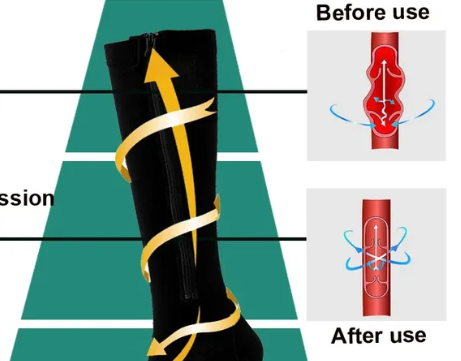
Properly fitted graduated compression stockings do not cause blood clots. They are built to do the opposite. Pressure is strongest at the ankle and eases as it moves up the leg. That gradient pushes blood back toward your heart and prevents pooling, keeping circulation steady in your lower legs.
The CDC lists medical-grade graduated stockings as an option for higher-risk individuals to discuss with their doctor to prevent DVT and pulmonary embolism. The NHS also notes that they lower clot risk by speeding up blood flow through leg veins. That protection matters on long trips, during hospital stays, or whenever you cannot move around much.
What compression socks can’t do
They have limits worth knowing:
- They don’t dissolve existing clots. They aren’t blood thinners. If DVT is confirmed or suspected, your doctor must decide whether you should wear them, at what compression level (mmHg), and for how long. The NHS advises getting a professional assessment and accurate measurements first.
- They can’t treat a suspected clot at home. New swelling, pain, warmth, redness, or color changes in one leg, particularly the calf, need prompt medical evaluation. Call for emergency care if you experience chest pain, trouble breathing, coughing up blood, or fainting, because a clot may have reached your lungs.
- They don’t replace movement. The CDC recommends getting up and walking every 1–2 hours when sitting for long stretches. Flex your ankles in between.
The risk comes from poor fit, bad technique, or wearing them when you shouldn’t.
How Graduated Compression Socks Work on Venous Blood Flow and DVT Prevention
Your leg veins work against gravity, and compression gives them a hand. Here is what that pressure does.
- Less pooling. Outside pressure squeezes widened surface veins and reduces their volume. The valves inside close properly, so less blood flows backward.
- A stronger calf pump. Your calf muscles push blood upward with every step. Compression makes that natural pump work more efficiently, which matters most when you sit still, stay in bed, or fly.
- Less swelling. The pressure keeps fluid from leaking out of capillaries and moves tissue fluid into the lymphatic system. That reduces calf circumference and eases swelling.
What the research says
| Situation | Evidence | Takeaway |
| Long-haul travel (4+ hours) | A review of 10 randomized trials found fewer symptom-free DVTs and less swelling, typically with 14–30 mmHg socks. | Low-risk travelers mostly see less swelling. Walk and flex your ankles. With two or more risk factors, ask your doctor. |
| Surgery or hospital bed rest | Pooled trials: about 13% DVT with socks versus 26% without. Combined with other prevention: about 4% versus 16%. | Socks work best alongside pumps or medication, not instead of them. |
| Acute stroke | CLOTS 1: 10.0% versus 10.5%, showing no significant difference, plus a risk of skin damage. | Follow the hospital’s stroke protocol. |
Choosing a compression level (mmHg)
- 8–15 mmHg: tired legs and mild swelling. These feel closer to everyday support socks.
- 15–20 mmHg: mild varicose veins, travel, and long desk days.
- 20–30 mmHg: moderate swelling, early venous insufficiency, and some post-surgery recovery. Have your ankle, calf, and leg length measured for an accurate fit.
- 30–40 mmHg: significant venous disease or post-thrombotic syndrome. This strength requires professional guidance, so do not choose it on your own for DVT prevention.
Medical vs. sports compression socks
Medical graduated stockings have calibrated pressure, labeled mmHg ratings, and precise size charts. Many sports socks offer only an uncalibrated “snug” feel, so don’t count on them for DVT prevention.
Check the fit. The cuff shouldn’t roll down, and your toes shouldn’t turn numb, pale, or purple. If you get pain, broken skin, or worse swelling, take them off and get evaluated.
When Compression Socks Can Cause Problems: Improper Fit, Rolling, Tourniquet Effect and Poor Circulation
Most compression sock trouble comes from pressure in the wrong place.
Improper fit and too much pressure
A properly fitted sock feels snug all over. It should never feel painful, numb, cold, or tighter as the day goes on. A poor fit can trigger redness, itching, bruising, skin ulcers, and restricted blood flow in your legs. Buying by shoe size alone is a common mistake. Measure your ankle and calf circumference instead.
Rolling and the tourniquet effect
Never roll down the top band or fold extra fabric over. A rolled cuff concentrates pressure into a narrow ring, creating a tourniquet effect. Fluid then pools below the band, making the band squeeze even harder. Other risks include:
- Pressure over the shinbone or ankle bones can break down fragile skin.
- Pressure near the fibular head (just below the outer knee) can injure the peroneal nerve, leading to tingling, leg weakness, or foot drop.
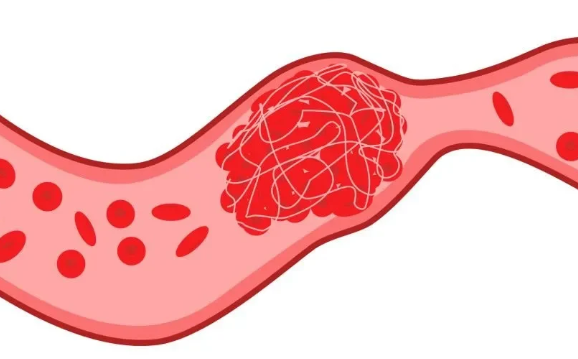
A tight sock restricts local blood flow, causing skin irritation or fluid buildup rather than a true blood clot. Even so, unexplained swelling, warmth, or tenderness in just one leg always calls for a medical check.
Poor circulation and peripheral artery disease
Peripheral artery disease and compression make a dangerous combination. When arterial pressure drops too low, external pressure can worsen pain, stall wound healing, and cause tissue death. Clear warning thresholds include:
- ABI/ABPI ≤ 0.5
- Ankle artery pressure below 60 mmHg
- Toe pressure below 30 mmHg
Get evaluated before wearing compression if you have PAD, diabetes with poor circulation, absent foot pulses, or cold, pale feet. Even with an ABI above these numbers, do not self-prescribe high-grade compression.
Other unsafe habits
- Wearing high compression levels (mmHg) without a prescription or professional fitting
- Leaving socks on for days without inspecting your skin, especially if you have neuropathy or thin skin
- Pulling them over an infected, wounded, or acutely swollen leg
- Letting the fabric bunch or wrinkle along your calf
- Sleeping in standard compression socks, which adds pressure with little proven benefit
Urgent signs: severe pain, a cold, pale, or blue foot, sudden weakness, or an open sore.
Put your socks on first thing in the morning when swelling is at its lowest. Smooth the fabric flat from the ankle up, take them off daily to inspect your skin, and replace pairs once they lose their stretch.
Can You Wear Compression Socks With a Blood Clot? Can They Dislodge a Clot?
Sometimes, but only with your doctor’s approval. If you have a confirmed acute DVT, don’t make that call on your own.
Can compression socks push a clot loose?
Major medical guidelines do not describe a properly fitted, correctly rated stocking as something that mechanically squeezes out a clot. In fact, some protocols recommend compression once blood thinners start, helping bring down painful swelling. Still, high-quality trials confirming that socks never contribute to a pulmonary embolism remain limited. Skip high-pressure garments during the acute phase until a doctor confirms your diagnosis, your anticoagulation plan, and the right compression level.
When to start varies by guideline
- NICE: For proximal DVT, consider knee-length graduated stockings with ankle pressure above 23 mmHg. Start about one week after diagnosis, or once swelling eases enough and no other condition rules them out.
- Some vascular guidelines: They suggest 30–40 mmHg socks soon after anticoagulation begins.
Your doctor will check clot location, swelling, arterial blood supply, skin health, and other medical issues before deciding on timing, pressure level, and which leg to treat.
What socks can and can’t do after a clot
- They don’t replace anticoagulants. The foundation of treatment is therapeutic-dose anticoagulation, usually for at least 3 months. Socks relieve swelling, tightness, and aching, but they do not lower the risk of another clot forming.
- They control symptoms. They don’t dissolve clots. Because evidence remains weak, guidelines do not advise routine stockings for every acute DVT patient to prevent post-thrombotic syndrome (PTS).
- Long-term use is individual. If heaviness, swelling, or skin changes linger, your doctor may suggest 20–30 or 30–40 mmHg socks alongside walking and leg elevation. Older guidance suggested wearing them for about two years, but newer CHEST guidance no longer recommends long-term wear for everyone.
Other situations that need a specialist
Severe peripheral artery disease, acute cellulitis, and decompensated heart failure make compression unsafe. Even with healthy arteries, an incorrect size or a rolled cuff can damage skin and trigger local pain.
Take them off and seek care right away for sudden or worsening leg pain, marked numbness, a cold foot, changed toe color, or broken skin. Chest pain, shortness of breath, coughing up blood, or fainting means emergency care.
Who Should Not Wear Compression Socks Without Medical Advice (Contraindications)
Certain health conditions turn a helpful pair of socks into a genuine risk. If any situation below applies to you, get a medical check before buying a pair.
| Condition | Why it’s a concern | What to do |
| Suspected or confirmed acute DVT | Sudden swelling, pain, or warmth in one leg can signal a blood clot. Safe pressure levels and timing require a doctor’s direct call. | Get evaluated first instead of buying high-pressure socks on your own. |
| Peripheral artery disease or leg artery bypass | Compression can restrict arterial blood flow or damage a bypass graft. | Check your ABI and ankle pressure first. A vascular doctor needs to set your safe mmHg level and pinpoint where compression is safe. |
| Severe or decompensated heart failure | Pushing pooled blood back toward the heart adds dangerous strain. | Skip self-treatment if you have severe leg swelling, shortness of breath, or fluid in your lungs. |
| Kidney disease or unexplained severe swelling | Socks cannot resolve fluid buildup caused by systemic organ issues. | Identify the underlying cause and set up a fluid management plan before trying compression. |
| Open wounds, active infection, severe cellulitis | Trapped moisture, friction, and pressure make active infections and raw skin worse. | Wait until your clinician clears your skin completely. |
| Very fragile skin, recent skin graft, weeping dermatitis, gangrene | Fragile tissue can tear, bleed, or die under tight elastic. | Have a clinician test your skin tolerance before applying pressure. |
| Numbness or severe neuropathy, including diabetic | Nerve damage keeps you from feeling when a garment is cutting off your circulation. | Get fitted by a professional, and inspect your toe color, skin temperature, and pressure marks daily. |
| Pregnancy with sudden one-sided swelling, headache, or high blood pressure | While mild swelling is common in pregnancy, these specific symptoms can indicate a clot or a serious pregnancy complication. | Call your doctor immediately. Routine pregnancy wear still requires an OB-approved size and pressure level. |
| Recent surgery, sutures, or hematoma | Pulling tight fabric over an unhealed incision strains sutures and fresh tissue. | Wait for your surgeon’s direct approval. |
| Bedridden or wheelchair users | Inactivity raises the risk of blood clots and pressure ulcers, and skin damage often develops without clear pain. | Ask your care team to evaluate your circulation, skin, and clot risk. Take the socks off each day to inspect your skin. |
Don’t shop by mmHg alone. The same rating carries different risks depending on your leg size, skin condition, and swelling.
Blood Clot (DVT) Warning Signs vs. Normal Swelling and Discomfort
About half of people with a DVT feel nothing at all. Having no pain or skin changes doesn’t rule out a clot. That’s why you need to know both the symptoms and your own risk level.
Classic DVT warning signs
- New swelling in one leg, usually the calf. It can spread to the whole leg. Swelling in both legs at once is less common.
- Unexplained pain or tenderness in the calf or thigh. It may feel like a cramp or a throb, and it often gets worse when you stand or walk.
- Warm skin that looks red, purple, blue, or darker than usual. On darker skin, redness can be hard to see.
- A swollen, hard, or tender vein near the surface.
When your risk is higher
Pay extra attention after:
- Recent surgery, serious injury, or a hospital stay. The CDC says about half of clots occur during or soon after hospitalization.
- Long trips, bed rest, or long periods of sitting.
- Pregnancy or the postpartum period.
- Cancer or recent cancer treatment.
- Estrogen-based medication, such as birth control pills or hormone therapy. Older age, obesity, smoking, a past clot, or family history also add risk.
Tight socks or a clot?
| Socks too tight or wrong size | Possible DVT | |
| Where | At the cuff, ankle, or pressure points. It can affect both legs. | Usually one calf or thigh |
| Pain | Squeezing, tingling, or numbness | Deep, throbbing, or cramp-like ache |
| Skin | Pressure marks, or pale or purple patches where the sock presses | Warmth, with red, blue, or dark discoloration |
| After removal | Gradually it eases. If swelling gets worse, call a clinician. | Persists or worsens |
The rule to follow
Treat any new one-sided swelling, pain, or tenderness as a medical issue that needs checking out. Take these signs seriously if you recently had surgery, traveled, stayed in a hospital, were pregnant, had cancer treatment, or sat still for extended periods. Get evaluated quickly, because a doctor may need to order an ultrasound.
Call emergency services if you also experience trouble breathing, chest pain, a racing heartbeat, fainting, or coughing up blood.
Conclusion
Compression socks don’t cause blood clots when they’re sized and worn correctly. Graduated compression stockings push blood back toward your heart, which is why doctors recommend them to lower deep vein thrombosis (DVT) risk. Trouble comes from a poor fit, a rolled-down top that acts like a tourniquet, or an underlying condition like peripheral artery disease that nobody checked first.
Looking for compression socks manufacturers to benefit your patients? Contact AOFIT now.