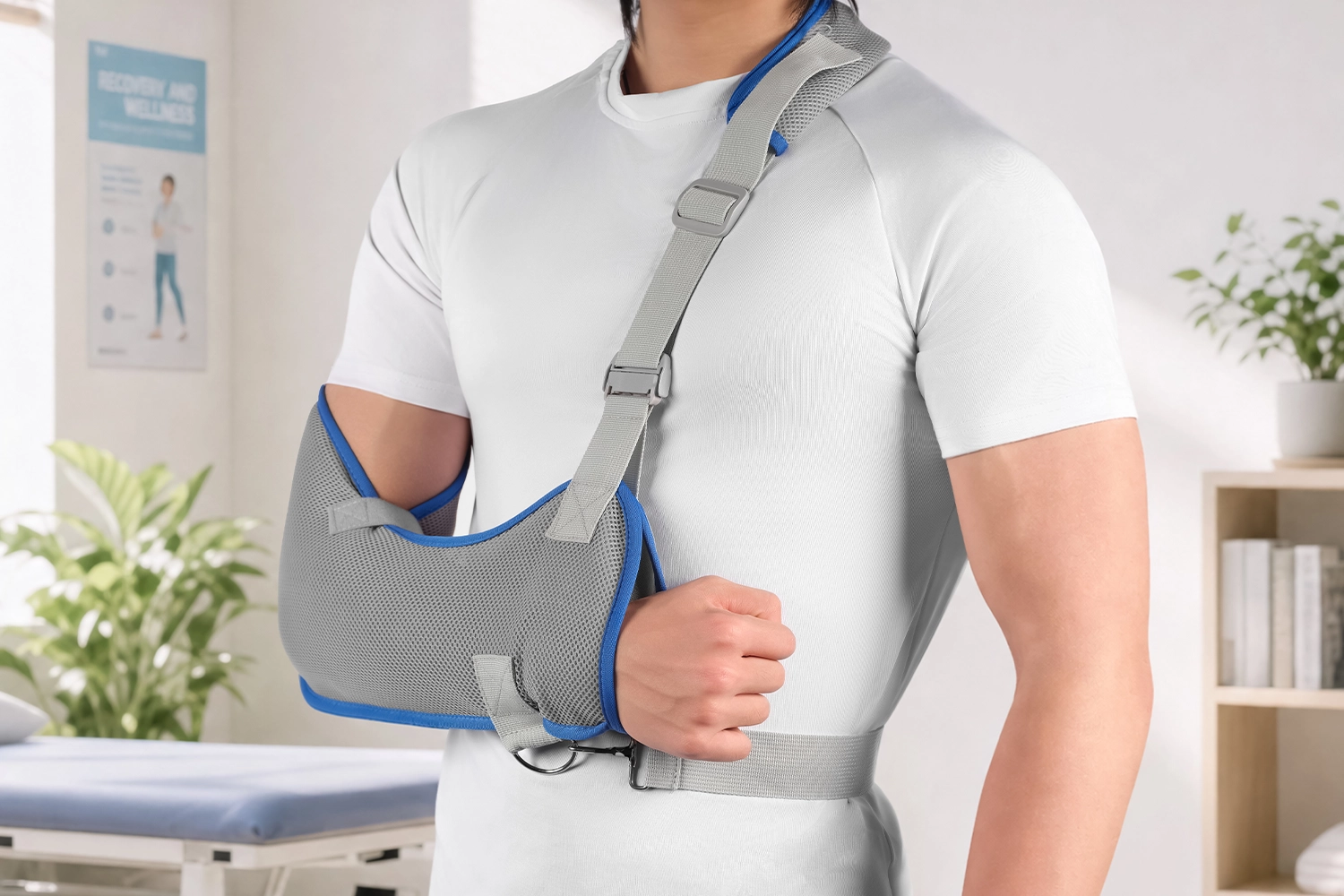
It’s 2 a.m., you’ve shifted positions for the fifth time, and that stiff panel of your back brace is digging into your ribs every time you roll over. So you’re left wondering: can you sleep with a back brace on or you’re supposed to peel it off before bed like some kind of daytime-only armor. It depends on why you’re wearing one—whether you’re a few weeks post-surgery or just managing chronic lower back pain. Get it wrong, and you risk skin irritation, poor circulation, or leaning on the brace so much your own muscles stop doing their job. Ahead, we’ll walk through when nighttime wear makes sense, how to do it safely, and the warning signs that mean it’s time to call your doctor.
Can You Sleep With A Back Brace On: The Direct Answer and Core Conclusion
Most everyday back braces aren’t built for overnight wear. Unless a doctor specifically prescribed a nighttime spinal brace, sleeping in your regular support belt tends to do more harm than good.
The distinction matters a lot. A standard lumbar support brace at night—the kind used for lifting, standing, or general back brace for lower back pain relief—isn’t designed for eight hours horizontally. NHS guidance on LSO braces states this plainly: don’t wear it to bed.
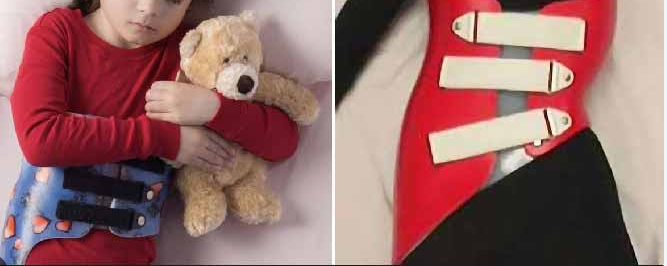
Nocturnal correction braces are different animals. Devices like the Charleston Bending Brace or Providence brace exist specifically for scoliosis correction, typically prescribed for 8–10 hours nightly, sometimes extending to 10–12 hours. Some adolescent patients wear them for up to 16 hours.
So the real question isn’t “can I”—it’s “which brace, and did my doctor actually say so.”
In Which Cases Do Doctors Explicitly Recommend Wearing a Back Brace at Night
Only three medical scenarios justify sleeping in a brace. Everything else is a gray zone at best.
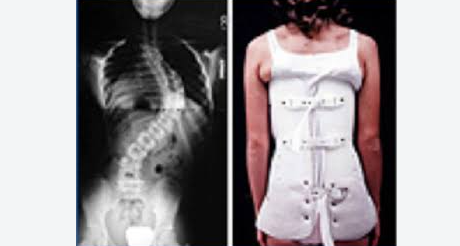
When a child or teen has moderate scoliosis and their skeleton hasn’t finished growing, the SOSORT 2016 guidelines don’t mess around—full-time bracing, 18 hours a day minimum, sometimes stretching to 16–23 hours. Some kids get pushed all the way to 23 hours daily. That math only works if sleep is included. JPOSNA’s clinical review backs this up, noting that patients with curves between 20–40° who are still skeletally immature are the textbook candidates for this schedule. Hanger’s fitting protocols show a step-up approach: start at 16 hours, build to 20, then land at 23.
Exception
Post-surgical patients are the exception. Most spinal fusion protocols follow the opposite pattern: brace during the day, remove it at night. NHS Lothian’s post-op guidance is blunt—wear from wake-up until bedtime, take it off once you’re lying down. The usual bracing window runs 6 to 12 weeks, and nighttime removal is standard through most of that period. The only time 24/7 wear applies is when a surgeon gives an individualized order saying so explicitly. That’s not the default. That’s a specific instruction for a specific spine.
Herniated disc and spinal stenosis patients rarely get nighttime orders at all. More on why in the sections ahead.
Main Health Risks of Wearing a Back Brace at Night
Skin doesn’t care why you’re wearing the brace. Leave rigid pressure on the same spot for eight hours, and tissue damage follows its own timeline, no matter your diagnosis.
Pressure Sores and Skin Breakdown
Constant, unmoving pressure on one area cuts off blood and oxygen to the skin and the tissue underneath. That’s the mechanism behind pressure sores, and it’s one of the most common back brace side effects. Rigid or semi-rigid braces cause it most often, especially when fitted too tight or pressing directly on bony areas like the hips or ribs. Add friction, shearing motion, heat, or moisture, all of which happen when you toss around at night, and skin breakdown risk climbs fast.
Certain people face higher stakes. If you have thin skin, prominent bony landmarks, limited mobility, or reduced sensation, think diabetic neuropathy or post-surgical numbness, you’re in the high-risk category. Bedridden patients wearing a lumbar support brace at night should be watched especially closely.
Circulation Problems Worth Taking Seriously
A brace that’s too tight compresses superficial nerves and blood vessels. That compression causes numbness, tingling, a pins-and-needles sensation, worsening pain, or extremities that turn cold, blue, or swollen. Some people notice that certain sleeping positions feel worse with a back brace, because those postures increase the compression.
None of these signs are “wait and see” territory. Numbness, blue or cold extremities, swelling, or burning/blistering pain call for an immediate check with your orthopedic team, cast room, or emergency care. Usually loosening or adjusting the brace fixes it, but delaying that adjustment is where real damage happens.
The Muscle Dependency Question
Here’s where the research gets murkier. Clinical consensus holds that continuous, unnecessary brace-wearing reduces active engagement from your core muscles, which can lead to dependency and strength loss over time. But the data isn’t unanimous. One clinical trial found that 14 days of lumbar bracing in asymptomatic subjects showed no measurable drop in spinal muscle volume, though the authors flagged that muscle function changes still need more study.
The practical takeaway sits in the middle. Long-term, continuous, medically unnecessary wear carries real deconditioning risk. Short-term, doctor-directed use, paired with movement and strengthening exercises, doesn’t seem to carry the same downside.
If Your Doctor Approves Sleeping in the Brace, Use These Sleep Positions
Getting the green light to sleep in your brace is only half the equation. How you position yourself once you’re lying down determines whether that brace helps you heal or quietly works against you all night.
Sleeping On Your Back
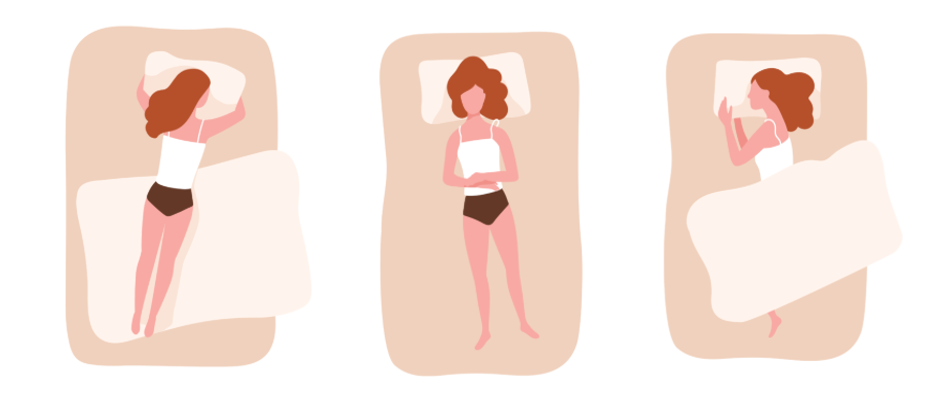
Lying supine tends to work best for most rigid or hinged braces, but placement matters more than people realize. Skip tucking a pillow directly under the knee joint. Instead, place a small-to-medium pillow under your calves, roughly mid-shin to ankle. This shifts the support point away from the joint itself and helps your lower limbs settle into a more natural resting angle. Some clinical guidance points to keeping a slight bend, around 15 degrees, which mimics the body’s natural resting position better than a fully straight leg. If the pillow ends up wedged too high behind the knee, it forces a constant bent position, which defeats the purpose. This setup shows up most often with hinged post-surgical braces or early-stage ligament injury bracing, where the doctor has specifically requested overnight wear.
Sleeping On Your Side
If back-sleeping isn’t comfortable, side-sleeping is the fallback, but it needs a full-length pillow between the knees, not a small wedge. The pillow should run from knee to ankle so your hip, knee, and ankle stay aligned in one line. Let the top leg rest with a gentle, relaxed bend, don’t force it into a tight curl. The goal is support without prying the knees apart uncomfortably. If the brace side is rigid, position that side down against the mattress to reduce twisting against the opposite leg.
Mattress Firmness
Medium-firm mattresses generally balance pressure distribution and alignment better for side-sleepers. Fully firm surfaces suit back-sleepers needing stability, but add a thin pillow under the calves to avoid pressure points. A visibly sagging mattress calls for a supportive board underneath before replacing it entirely.
Practical Skin Care Tips for Wearing a Back Brace at Night
Skin care makes or breaks a night in a back brace. The right layer underneath, the right checks before and after, and most problems never get the chance to start.
What Goes Under the Brace Matters
Skip anything thick or seamed. A thin, breathable, seamless cotton layer—a plain cotton tee, a seamless tank, or a dedicated brace liner—pulls sweat away and cuts friction. Change it daily, more often if night sweats are heavy. Skip fabric softeners like Cling Free; they leave residue that irritates skin under pressure. And don’t pre-treat skin with lotion, oil, or powder before strapping in. That combination traps moisture and actually increases rubbing, the opposite of what you’re going for.
The Two-Finger Fit Test
A lumbar support brace that fits well at night should let you slide two fingers under the edge without a fight. If you can’t get two fingers in at all, it’s too tight. You should breathe normally, roll over without sharp pressure points, and feel no numbness, tingling, or burning.
Skin Checks, Every Single Time
Check skin the moment the brace comes off—before bed and again after waking. Focus on bony areas: hip bones, ribcage edges, underarms, pelvic rim. If you’re wearing it long stretches overnight, pull it off briefly midway to look again.
Red flags that need attention:
– Redness lasting more than 15–30 minutes
– Purple, dark, or hot-to-touch patches
– Blisters, broken skin, or drainage
– Worsening pain, burning, or itching
– Rash, peeling, or dry cracking
Any of these, contact your orthotist or physical therapist before the next night’s wear.
Stop Wearing Immediately and Contact a Doctor When These Signs Appear
Some symptoms don’t wait for morning. If any of the following shows up while you’re wearing a lumbar support brace at night, take it off first, then call.
Highest Priority: Get Emergency Care Now
These signals mean nerve or blood vessel compression is happening, and delay causes real damage:
- Numbness or complete loss of sensation
- Persistent tingling or pins-and-needles that won’t fade
- Skin turning blue, white, gray, or noticeably cold
- Fingers or toes you can’t move at all
- Pain that’s escalating fast, not settling
Don’t wait these out. Loosen the brace, remove it, and head to urgent care or your orthopedic team’s emergency line.
High Priority: Contact Your Doctor Same-Day
A step below emergency, but still same-day territory:
- Swelling that’s building rather than fading
- A tightening or burning sensation under the brace
- Mild difficulty moving fingers or toes
- The brace feeling suddenly too tight or too loose after fitting fine before
Skin Breakdown Signals
Anything past mild redness needs a phone call, not a wait-and-see approach. That includes blisters, open wounds, drainage, foul odor, red streaking, yellow discharge, or heat radiating off the skin. These point toward infection risk, and continued pressure only accelerates it.
What You Can Handle Yourself, Briefly
Mild, short-lived tingling or minor swelling that eases once you elevate the limb and loosen the brace usually isn’t an emergency. But give it a narrow window. If it doesn’t resolve quickly, stop wearing it and call.
The riskiest scenario is unsupervised nighttime wear without a doctor’s explicit order. Without daytime awareness, pressure damage builds silently for hours before anyone notices.
Conclusion
Sleeping with a back brace is only safe with your doctor’s approval, and only if you listen to what your body tells you. Your spine doesn’t clock out at night, and neither does the risk of skin irritation, restricted circulation, or quietly becoming dependent on a device meant to be temporary. Heal smarter by following your physical therapist’s timeline, using a breathable lumbar support brace at night, and watching for numbness or persistent discomfort. If something feels off, call your provider.
Need custom scoliosis braces or night-specific back braces for your patients’ better sleeping? Contact AOFIT now, and we are ready with complete private label solutions. Every detail and specification undergoes review by our senior fabrication specialists, who then create a custom mold tailored to your exact anatomical measurements.
If you opt for a colorful transfer pattern or any decals, these are heated in the oven and then formed and cured around the brace mold. Next, the mold is hand cut to match the shape of your prescribed brace, the edges are buffed for comfort, and all necessary hardware—such as straps and buckles—is attached.
Each brace is individually inspected by our quality team to confirm that all design parameters have been satisfied. The finished product is then shipped to your clinician, who will fit it and make any adjustments required for maximum comfort.