You’ve adjusted it. Re-strapped it. Even tried a smaller size. But somehow, your knee brace still slides down every time you take a step—and it’s driving you crazy.
A slipping knee brace isn’t just annoying. It compromises the support you need for recovery, athletic performance, or joint stability. Most of the time, you don’t need a new brace—you need to understand why it’s happening.
We pulled manufacturer-level insight to show you how to keep a knee brace from slipping down: sizing mistakes, smarter strap adjustments, and the anti-slip design features engineers build into modern braces. By the end, you’ll know what’s keeping yours from staying put—and how to fix it for good.
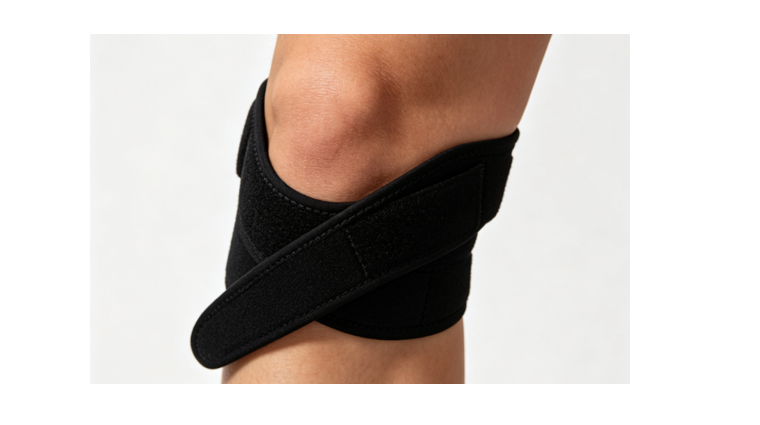
Why Does a Knee Brace Keep Slipping Down: Common Causes Explained
Wrong sizing, incorrect strap tension, poor knee positioning, moisture buildup, and worn-out elastic cause 90% of slipping complaints.
1. Size Mismatch Is the #1 Culprit
If the brace is too large, you lose compression and it slides. If it’s too small, the edges roll or fold instead of gripping. Either way, you’re fighting your own equipment. The fix starts with measuring knee, thigh, and calf circumference and checking against the manufacturer’s size chart. Skip this step, and no amount of adjusting will help.
2. Strap Tension and Order
The strap sequence isn’t random. The correct order is calf strap first, then knee, then thigh. Reverse that order, and you’re inviting trouble. One brace guide reports this mistake causes 70% of immediate post-application slippage. Tension matters too. If you can slide three or four fingers under a strap, it’s already too loose to hold anything in place.
3. Misalignment Creates a Sliding Force
Even a correctly sized brace slips if the patella opening isn’t centered. Just 2 cm of misalignment creates torque that pulls the brace sideways and downward with every stride.
4. Moisture Kills Grip
Sweat and damp fabric reduce friction fast. Neoprene traps heat and moisture, making things worse. Silicone grippers aren’t immune either. Body oils and daily moisturizers build up on the surface, cutting their holding power.
5. Body Taper
When thigh circumference exceeds calf circumference, your leg becomes an upside-down cone. Gravity does the rest. This taper mismatch explains why many larger-thigh users struggle with standard braces, even when the knee sizing is correct.
How To Keep A Knee Brace From Slipping Down: Practical Tricks
Measure and Choose the Right Size
Knee brace manufacturers design size charts for a reason. Skip them, and you’re guessing.
Grab a soft measuring tape. Not a metal ruler. It won’t follow the curve of your leg, and that throws off every measurement after it. Sit with your foot flat and knee bent at 90°. This position gives you consistent numbers, which matters when you later compare against a knee brace sizing guide.
Timing matters too. Measure in the morning, before swelling sets in. Legs change shape throughout the day, so an afternoon measurement can lead you to size down when you shouldn’t. Keep skin dry: no lotion, no oils. Slick skin reduces grip and sets you up for slipping before you’ve even put the brace on.
Where to Measure
- Mid-patella: wrap the tape at kneecap level
- Above and below the knee: capture both thigh-side and calf-side circumference
- Leg length: some braces need this to prevent riding up
Know more information about getting the knee brace size right in detail here.
Between Sizes? Go Bigger
If your measurements fall between two sizes, choose the larger one, as long as it stays comfortable. A brace that’s too tight causes numbness and edge roll. That makes people loosen the straps, which invites the exact slipping they’re trying to avoid.
If the brace uses both thigh and calf measurements, size for the larger of the two. One end too tight while the other slides is a compromise that fails both ways.
Test It Before You Trust It
Walk. Squat. Bend your knee. If it rotates, gaps, or migrates downward, the size is wrong, regardless of what the tape said. This test catches sizing errors that measurements alone miss, and it’s the fastest way to confirm the brace stays in place before you leave the fitting room.
Wear and Fit a Knee Brace
Fitting a knee brace is a sequence. Skip a step, and you’re back to square one with a brace that migrates every time you stand up.
Step 1: Get Into Position First
Sit or lie down with your leg relaxed and straight. Fitting a brace while standing twists the joint and throws off placement before you start.
Step 2: Know Your Brace Type
Different types of knee braces —sleeve, wraparound, or hinged—each one follows a different knee brace fitting sequence. Identify yours before you touch a single strap.
Step 3: Center the Brace on the Joint
On a patella-open design, the kneecap opening goes directly over the kneecap. On hinged models, align the hinges with the natural bend point of the knee. One NHS fitting guide places the knee between the circular pads, with hinges level to the joint line.
Step 4: Follow the Anchor-First Strap Order
Hinged braces go below-knee strap first, then above-knee, then ankle-side, then top thigh. Some brands number the straps 1–4, so follow what’s printed. Wrap-style braces start closest to the knee and move outward to stay centered.
Step 5: Check Tightness With the Finger Test
Fasten the straps so they’re snug. One finger should slide under the strap without force. Numbness, tingling, or color change means you’ve overtightened.
Step 6: Confirm Spacing Landmarks
The second strap down should sit two fingers above the kneecap. The top edge of the brace sits about two fingers from the kneecap, and the bottom edge sits about two fingers from the calf muscle.
Step 7: Walk It Out
Take a few steps. Recheck the tension, because muscles shift once you’re weight-bearing. For a more thorough check, wear the brace through 20 minutes of walking, sitting, and stairs. Then inspect your skin.
Sliding during walking, an unlevel hinge, deep strap marks, or bunching behind the knee all mean the fit needs correcting, not the brace.
Build a Better Contact Layer
Bare skin isn’t always ideal either, especially for long wear or sensitive skin. That’s where anti-slip tools come in:
- Pre-wrap or self-stick bandage underneath creates a tackier surface while protecting skin from irritation
- Medical-grade spray adhesive boosts grip for athletic use—apply sparingly, wait until tacky, then put the brace on
- Compression sleeve or compression shorts under the brace gives you a stable fabric base; this combo shows up repeatedly in stability reports
- Thin moisture-wicking socks help braces that extend below the knee, cutting sweat-related slipping
Match Your Setup to the Activity
Running demands more than walking. Repeated vertical shear means you’ll retighten more often, so pair a firm calf anchor with a compression layer underneath.
Rehab and post-op walking need a different approach: recheck sizing after every session. Swelling shifts leg circumference, so a brace that felt locked in this morning might loosen by afternoon.
Sweaty workouts? Clean and dry skin first. Lotion, oils, and sweat kill grip—pre-wrap and spray adhesive only work on dry surfaces.
Manufacturer’s Perspective: Anti-Slip Design Features in Modern Knee Braces
Engineers don’t leave slippage to chance. They build anti-slip technology into the product, and the methods vary more than most users realize.
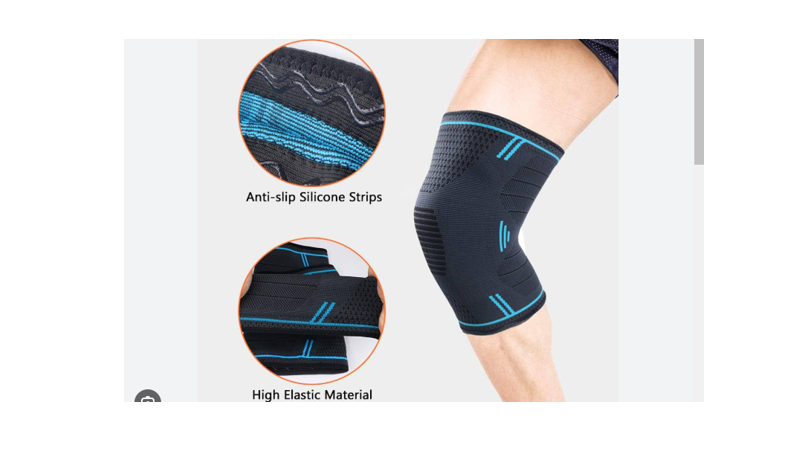
Silicone grip systems
Neenca embeds silicone anti-slip bands at the proximal and distal edges of its compression sleeves, pairing them with 20-30 mmHg graduated compression for retention and joint feedback. Other manufacturers go further with grip geometry. One OEM producer uses high-tack silicone printing along the upper and lower inner borders, plus an inner wave silicone array that maintains friction even under heavy sweat while spreading contact pressure to avoid hair-pulling or irritation.
Silicone isn’t the only route. AOFIT builds anti-slip yarns directly into the fabric, creating friction at the textile level. This skips silicone strips entirely, a win for sensitive-skin users. AOFIT also pushes high-recovery elastane blends, recommending nylon-spandex with 95%+ recovery rates so sleeves snap back after stretching instead of loosening over time.
Structural and Data-Backed Solutions
Hinged braces fight slippage differently. Bauerfeind embeds lateral plastic stays with flexible bending zones that move with the joint and stretch the knitted fabric around the knee, reducing migration.
The research backs this up. A Springer study measured brace slippage directly, tracing it to a mismatch between fabric behavior and the knee’s non-linear skin mechanics. A Carnegie Mellon project tested a Brace Support Harness that uses tension against lateral bars to resist downward drift—control tests showed higher migration without it.
One patent on anti-slip bands reports 33% higher grip force, translating to 33% less slipping. That’s the kind of measurable improvement manufacturers now chase.
What Good Anti-Slip Design Looks Like
- Thick, elastic, breathable fabric that hugs the leg instead of rolling
- Adjustable straps to compensate for swelling throughout the day
- Patellar centering or lateral stabilizers if misalignment is your issue
- Balanced compression—too loose and it slides, too tight and it rolls
- Breathable materials like neoprene or ventilated nylon to fight sweat-related slipping
The Winning Combo
For persistent sliding, one setup consistently outperforms the rest: correct sizing plus bottom-strap-first tightening plus a skin contact layer plus retightening after a short walk. Skip any piece, and you’re back to fighting the brace instead of using it.
To keep a knee brace from rolling down, AOFIT, as your leading medical knee brace manufacturer in China, can control top-band structure, yarn recovery, silicone grip and pattern shape. Together, we help brands reduce “how to keep a knee brace from rolling down” complaints by giving clear sizing guidance, teaching users how to wear sleeves, and setting honest expectations about which models are for medical use and which are for hard sports. Reach out to AOFIT now for your custom medical brace solution.