That sharp, burning pain on the outside—or inside—of your elbow doesn’t just show up out of nowhere. It’s your tendons telling you they’ve had enough, whether from a weekend of pickleball, a heavy lifting session, or hours of typing. And once tendonitis sets in, scrolling through hundreds of elbow braces online, each promising instant relief, only adds to the frustration. The best brace for elbow tendonitis really depends on where your pain lives, how severe it is, and what you’re doing when it flares up. Whether you’re dealing with tennis elbow, golfer’s elbow, or you’re still not sure which is which, this guide breaks down the top-tested braces and the small wearing tweaks that make a surprisingly big difference in how fast you heal.
Understanding Elbow Tendonitis: Tennis Elbow vs Golfer’s Elbow
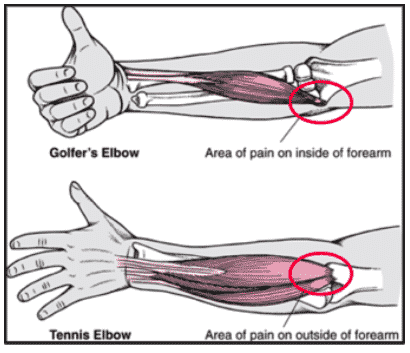
Two forearm muscle groups on opposite sides of the elbow make for one confusing diagnosis. But telling them apart matters because it determines which brace actually helps you.
Lateral epicondylitis (tennis elbow) hits the outside of the elbow from overworked wrist extensor muscles. Think repeated gripping, twisting a doorknob, or lifting a heavy grocery bag.
Medial epicondylitis (golfer’s elbow) shows up on the inside, from overused wrist flexors and forearm pronators common in repeated wrist curling or gripping motions.
Quick self-check:
– Pain on the outside, worse when gripping or extending your wrist → likely tennis elbow
– Pain on the inside, worse when flexing your wrist or making a fist → likely golfer’s elbow
Common elbow tendonitis symptoms include:
– Localized tenderness at the bony bump
– Weakened grip strength
– Stiffness, occasional mild swelling
– Pain radiating down the forearm (more common with golfer’s elbow)
Golfer’s elbow affects roughly 1.9% of people, while tennis elbow prevalence varies wildly (0.8% to 29.3%) depending on occupational strain. Ages 40–55 face the highest risk, especially with repetitive lifting over 20 kg.
How Elbow Braces Help: The Science Behind Compression & Support
A counterforce strap doesn’t heal your tendon. It redistributes the load away from it. By pressing on the extensor muscle mass, the brace shifts tension farther down the arm, away from the actual tendon insertion point at your lateral epicondyle.
The numbers back this up. A crossover trial with 34 people found immediate results—pain-free grip strength jumped by 17.2 N, and pressure pain threshold improved by 42.2 kPa right after strapping on the brace. Design matters too. Wedge-style braces using two force vectors over the extensor origin outperformed basic single-force straps for both pain and grip strength.
But here’s the catch. Ultrasound studies on 19 healthy participants found brace pressure (up to 80 mmHg) didn’t change tendon shear-wave velocity during contraction. Translation: braces ease symptoms without altering tendon mechanics. Wear one during gripping-heavy tasks, pair it with rehab exercises, and don’t expect it to replace proper treatment.
Top picks of Best Brace for Elbow Tendonitis:
Sleeve Stars Tennis Elbow Brace for General Tendonitis
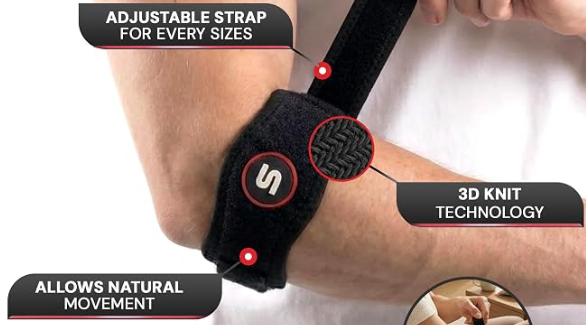
The Sleeve Stars Tennis Elbow Brace is a counterforce strap built specifically to redirect pressure away from the tendon insertion point, whether you’re dealing with lateral epicondylitis, medial epicondylitis brace needs, or general tendonitis flare-ups.
What makes it stand out:
- Adjustable straps instead of one fixed band, letting you shift the compression point exactly where your pain sits
- One size fits 9–23 inches of forearm circumference (roughly 23–58 cm). It covers most adults without needing a sizing chart
- Made from polyester, nylon, and spandex, with a hook-and-loop closure for quick on/off during workouts or work shifts
- 3 strap lengths (9.45″, 15.75″, and 19.69″ ) Marketed for tennis elbow, golfer’s elbow, arthritis, bursitis, and general elbow discomfort, and useful if you’re not 100% sure which tendon is inflamed
Sleeve Stars Tennis Elbow Brace Reviews:
Walmart’s listing shows a 4.6/5 rating across 26 ratings and 15 reviews. A larger third-party aggregation pulled from 16,892 reviews found 89% of users would recommend it to a friend. That’s a strong signal for something priced this low. Most feedback points to easy strap adjustment, controllable pressure, and minimal slippage during activity. The only recurring complaint: the inner seam can feel noticeable on sensitive skin.
Where to Buy Elbow Braces for Tendonitis
Pricing varies by platform, so shop around before clicking buy:
| Retailer | Price |
| Official site | $14.95 (was $21.95) |
| Walmart | $14.95 (90-day returns) |
| Third-party review sites | ~$16.95 |
| eBay | ~$27.34 |
| TikTok Shop | Inflated, plus $69 shipping on some orders |
Stick to the official site or Walmart. You’ll get the same brace for roughly half the eBay price.
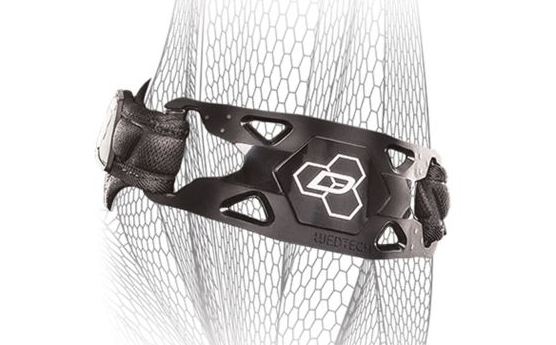
Counterforce Strap Braces (ProBand BandIT, DonJoy Webtech) for Localized Tendon Pain
Single-point tendon pain needs a different fix than general elbow discomfort. If your pain sits at one specific spot on the forearm, classic lateral epicondylitis treatment territory or the medial version for golfer’s elbow, ProBand BandIT and DonJoy Performance Webtech dominate this category.
ProBand BandIT vs DonJoy Webtech
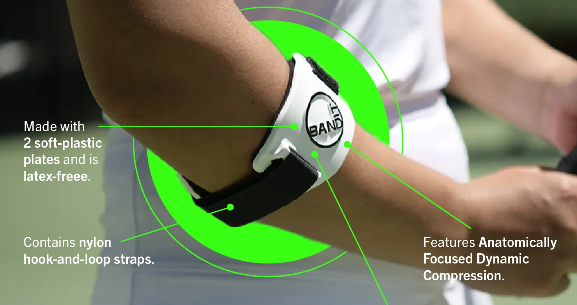
ProBand BandIT runs $42.93–$59.19 through Performance Health. It uses two curved plastic plates with magnetic pads and an 18-inch black strap. The XM version swaps in soft-plastic plates and nylon straps instead. One retail listing includes a user comment calling it noticeably better than a normal neoprene brace. The structured, anatomy-shaped design seems to be the selling point. It contains natural rubber latex, so check that before buying.
DonJoy Webtech costs less at $35.99. It relies on silicone webbing pads, a three-dimensional hexagon pressure pad, and a breathable back strap. Retail descriptions consistently mention comfort and conforming fit, appealing to anyone who wants less bulk on their arm.
Placement Matters More Than Price
Wear the tennis or golfer’s elbow brace correctly. Neither brace works if you position it wrong.
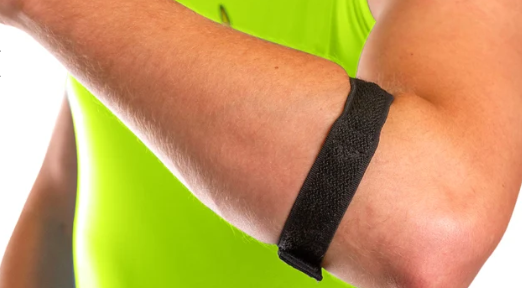
- Place the pad 1–2 inches below the elbow crease, roughly two finger-widths from the bony point
- Target the muscle belly, never the elbow bone itself
- Tighten until a single finger slides under the band; tingling or coldness means too tight
- Wear during gripping, lifting, or racquet sports; remove at rest
Best for Diffuse Pain or Swelling: Mueller Tennis Elbow Support with Gel Pad
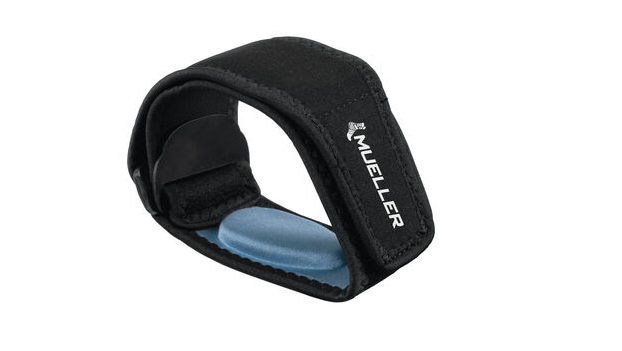
Not every ache sits at one exact point. Sometimes the pain spreads across the forearm, sometimes swelling makes a rigid strap feel unbearable. That’s where Mueller Tennis Elbow Support with Gel Pad earns its spot. It ditches the single-pressure-point approach for a gel pad that spreads concentrated pressure over a wider area.
The gel pad fits either elbow, covering 10″–14″ (25–35 cm) circumference in one size, with some listings extending to 8″–15″ (20.3–38 cm). The adjustable strap lets you loosen it as swelling fluctuates through the day without swapping brands. One distributor rates its fixation strength 2, meaning it’s firm enough for active, long-term sports wear. Some listings are neoprene-free and latex-free, but Target’s version lists 100% cotton textile plus neoprene, so check the exact SKU if you have sensitivities. The AEGIS Microbe Shield® treatment fights odor buildup during daily or workout use.
Best for Precise Pressure Relief: BraceAbility Epicondylitis Brace
Pinpoint pain deserves a pinpoint fix, and that’s exactly what this brace does differently. The BraceAbility Epicondylitis Brace skips the wide-coverage approach entirely. Instead, it uses an embedded compression pad filled with beads that you position directly over your sore spot, then lock in place by wrapping the strap around your forearm and threading it through a D-ring.
This is counterforce design at its most targeted. Rather than compressing your whole forearm, it isolates pressure right at the medial or lateral epicondyle, shifting tension away from the tendon’s actual attachment point. That makes it a solid pick for both golfer’s elbow and tennis elbow when your pain sits in one clear location rather than spreading across the arm.
Best suited for:
– Mild to moderate elbow tendonitis symptoms that flare during activity
– Weightlifters doing curls, deadlifts, or pull-ups where forearm strain builds
– Office workers dealing with repetitive typing or gripping motions
– Racquet sports players needing on-the-court adjustability
Sizing and materials:
Listed as one-size-fits-most, it accommodates forearms up to 15–16 inches in circumference and works on either arm. The cotton-blend fabric closes with a D-ring and hook-and-loop fastener.
How to wear it:
Unfasten the strap, center the compression pad over your pain point, wrap it around your forearm, then pull through the D-ring until you feel firm pressure without circulation loss.
Frequently Asked Questions About Elbow Tendonitis Braces
How long before a brace helps? Most tennis elbow and golfer’s elbow cases show noticeable improvement in 6–12 weeks of consistent use paired with rest. Full recovery ranges from 6 weeks to 6 months. Chronic cases stretch to 6–12 months, and stubborn ones can drag past 18 months, especially if the underlying strain never gets addressed.
Can I sleep in an elbow brace? Skip it. Nighttime pain that wakes you up is the exception, not the rule, and even then, a wrist splint usually works better than an elbow strap for keeping your wrist from curling while you sleep.
Remove it during workouts? Only if the movement hurts. Otherwise, wear it through the lift and rest after. As pain fades, wean off gradually, leaning more on rehab exercises than the brace itself.
When should I see a doctor instead of buying another brace? If 6–8 weeks of consistent use brings zero improvement, or grip strength keeps dropping, stop guessing and get evaluated.
How do I wash it? Hand wash in warm water with mild detergent, then lay flat to dry. Skip the dryer, skip bleach. Heat kills the elastic fibers that give the strap its compression.
Conclusion
Match the support style to your specific pain pattern when choosing a brace for elbow tendonitis. If your pain is sharp and localized, a counterforce strap like the ProBand BandIT will outperform a sleeve. If you’re dealing with diffuse soreness or mild swelling, a compression sleeve for elbow support offers gentler, all-around relief. And if you’re still unsure whether you’re battling tennis elbow vs golfer’s elbow, that distinction alone can save you weeks of trial and error.
A brace is one part of the recovery process. Use it with proper rest, gradual loading exercises, and the correct wearing technique to accelerate healing.
Looking for an ODM/OEM elbow brace solution for your patients? Reach out AOFIT, your reliable orthopedic brace manufacturer, now.